

Roofing estimates in New Jersey can differ enough to make the cheapest option look like an obvious win, or leave you wondering whether a higher bid is justified. The total alone cannot answer that. Contractors may be proposing different materials, scopes of work, or warranty protection, and a calculator may not account for every roof’s features. A useful comparison starts by putting each proposal on the same terms. Check what work is included, what is excluded, how uncertain conditions such as damaged decking will be handled, and what support the contractor promises after the job. This guide gives you a practical way to compare estimates, ask better questions, and avoid choosing on price alone.
Why comparing roofing estimates matters
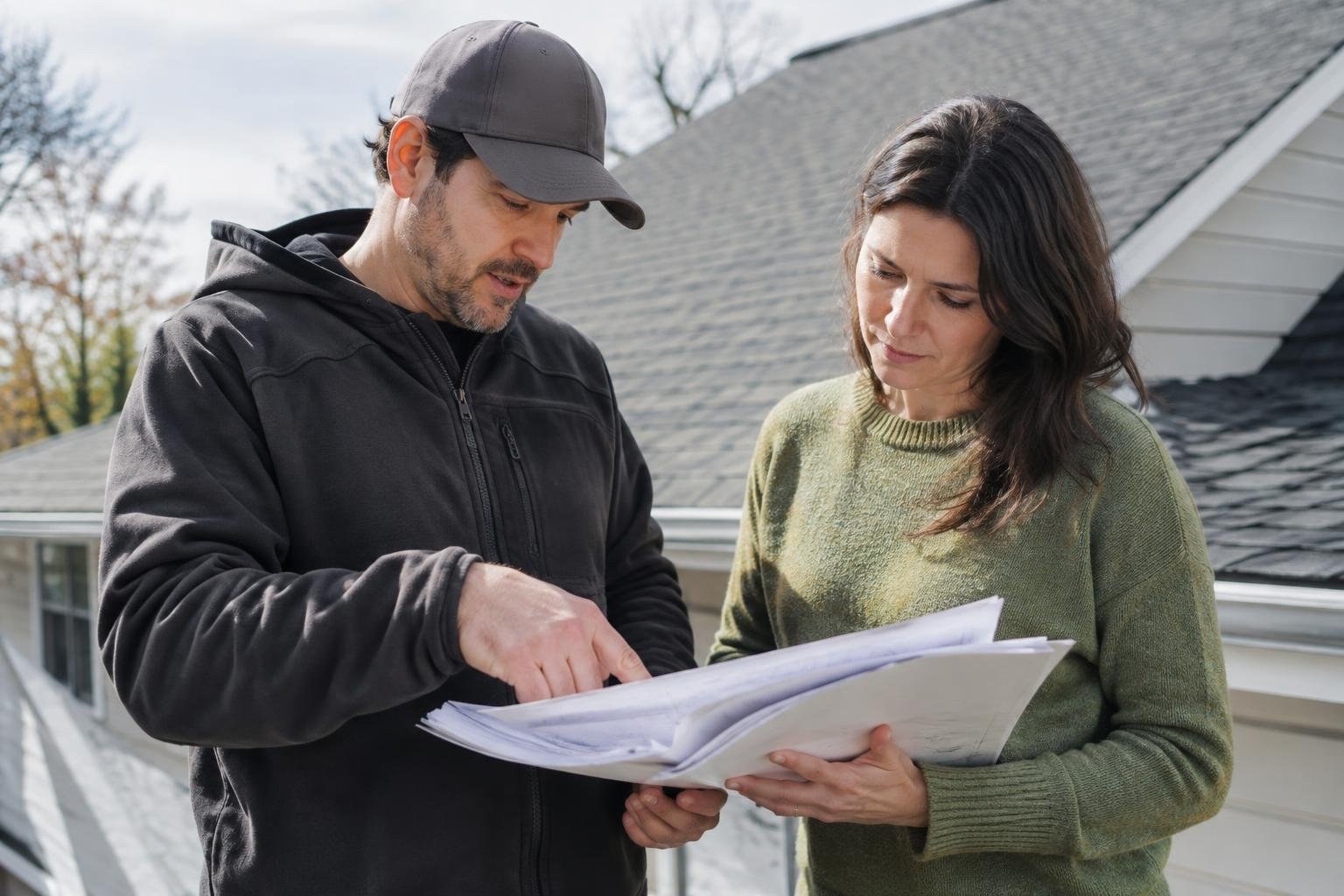
A roofing estimate is a proposed price for a defined project, not a promise that every contractor is quoting identical work. Estimates can vary because bids may describe different materials, scopes, or warranty protection. If one proposal is much lower, the first question is not whether it is a bargain. Ask what is different.
It also gives you a record of what you discussed, so you can make a considered choice instead of relying on a rushed verbal assurance.
In New Jersey, a local contractor’s assessment may consider decking, flashing, ventilation, and applicable code requirements. Roof design can matter too: an online cost calculator may exclude flat areas, balconies, or custom architecture and require an in-person assessment for those features.
Use estimates to compare both the proposed job and the provider’s ability to explain it. You are looking for a written scope you understand, not simply a number that feels reassuring.
What a roofing estimate should cover
Start with the written scope. Look for a description of the planned work, materials, and what the contractor expects to evaluate or address. The estimate should make it possible to understand what the price is intended to cover, rather than leaving you to infer the project from a total.
Ask how the provider will handle conditions that cannot be confirmed from an initial look. For example, ask what happens if the decking needs attention once work begins, how that change would be documented, and whether you will approve added work before it is done. Ask whether the contractor will assess decking, flashing, and ventilation.
Review the estimate for exclusions and warranty protection as carefully as you review the main price. Ask the provider to explain each unclear line in everyday language. If an important item is not mentioned, ask whether it is included, excluded, or still to be assessed.
Do not assume that similar-looking documents describe the same project. Make a short list of items that matter to you, then ask every contractor to answer those same questions in writing.
When to request an assessment or another estimate
There is no single warning sign that can diagnose a roof or tell you which project to buy. Instead, treat a change in the roof’s condition, a need to plan a replacement, or uncertainty about what a contractor has proposed as a reason to seek a professional assessment and written estimate. This is a decision prompt, not a substitute for an inspection.
Some projects need closer assessment than a quick online calculation can provide. One New Jersey roofing calculator says flat roofs, balcony areas, and custom or designer architecture are excluded from its estimate and require an in-person assessment. If your roof includes such features, do not treat an instant number as a complete project quote.
It may also be worth seeking another written opinion when estimates describe different work, a provider cannot explain an exclusion, or you are unsure what the warranty covers. A second estimate is most helpful when you give each provider the same information and ask comparable questions.
Keep the focus on the decision you need to make: What work is being proposed, what remains uncertain, and what information would help you compare options fairly?
Cost and price comparisons in New Jersey
Roofing prices are project-specific, so treat a broad online figure as a reference rather than a guaranteed quote. An estimate can change with the work being proposed, the materials, the roof’s features, and details such as decking, flashing, and ventilation. Different warranty protection can also help explain why two bids do not match.
When you compare totals, first make the scope comparable. Ask whether each contractor is pricing the same work and materials. Then list each proposal’s exclusions and any items that may be priced later. A lower initial price may not represent the same finished project if important work or protection is absent.
One New Jersey calculator publishes an average range for a new roof, but a broad average is only a starting point, not a project quote. The calculator also says some roof types and architectural features are excluded from its estimate. For those reasons, use a calculator as a starting point only and request a project-specific assessment.
Ask providers to explain the assumptions behind their totals and how any additional work would be approved and priced. Compare written answers, not just headline prices. Do not accept a precise price comparison when the proposals describe different jobs.
Factors that can change the estimate
A price can change when the proposed materials or project scope changes. Warranty protection is another point of difference between bids. The condition or design details that a contractor evaluates may also affect how the estimate is prepared; local roofing guidance identifies decking, flashing, and ventilation as items a contractor may assess.
New Jersey weather is described by a local roofing source as unforgiving. That source also connects a reliable local assessment with reviewing roof details and applicable code requirements. Ask a contractor to explain how the assessment and proposed work account for the specific property. Do not assume every roof or project has the same requirements.
Roof shape can limit the value of a calculator-based estimate. Flat roof areas, balconies, and custom or designer architecture are examples one New Jersey calculator says it excludes, directing readers to an in-person assessment.
Ask each provider to identify what they actually observed, what they could not confirm, and which assumptions affect the price. That distinction helps you understand whether the bids differ because of the property, the proposed work, or the way each contractor has defined the job.
How to compare options fairly
You may be comparing different materials, different scopes, or different levels of warranty protection. Those are not interchangeable choices. Ask each provider to describe the alternatives they are offering and the practical difference between them, rather than trying to compare a vague label or total.
Use a simple table or worksheet to keep the proposals straight:
| Compare | Questions to ask |
|---|---|
| Scope | Does this proposal describe the same work as the others? |
| Materials | What exactly is being proposed, and do the bids match? |
| Roof details | How are decking, flashing, and ventilation addressed? |
| Exclusions | What is not included, and what could add cost? |
| Warranty | What protection is included, and what are its terms? |
| Provider | Can you verify the service area and license details? |
A higher price is not automatically better, and a lower price is not automatically a poor choice. First align the work being compared. Then weigh the differences that matter to you, such as clearer scope or warranty terms, and ask the provider to put explanations in writing.
What to expect and how to plan timing
Ask each contractor for their own expected schedule, including when they can assess the roof, when a written proposal will be ready, and what could delay the work.
For a roof with features that a calculator excludes, plan to arrange an in-person assessment rather than relying on an instant estimate. A contractor may need to evaluate details such as decking, flashing, and ventilation to prepare a more accurate proposal.
Before you decide, allow time to read the documents and get written answers to open questions. If a provider gives you a deadline, ask what it applies to and request enough information to review the estimate. Do not let a rushed decision replace a scope comparison.
Ask how the provider will communicate any changes to the proposed work or price. Knowing the expected steps and who will explain a change can help you make decisions as the project moves forward. Confirm the schedule and any commitments directly with the contractor because timing depends on the specific project.
How to choose a qualified roofing provider
Start by checking whether the contractor serves your area. Then verify license details, ask about recent projects similar to yours, and review whether the estimate clearly explains the work. These checks are practical ways to decide whether a provider is a suitable person to discuss the project with; they are not a substitute for checking credentials with the relevant authority.
Pay attention to how the provider answers questions. A useful conversation should help you understand the scope, materials, exclusions, and warranty protection. If the estimate is unclear, ask for a revision or written explanation. A provider who will not clarify what the price covers makes it harder to compare the bid responsibly.
Directories and rating tools can help with research, but understand how their information is presented. One company-comparison resource describes its contractor rating as a score out of 100 based on 13 criteria. A score is a screening signal, not proof that a provider is right for your project.
Compare provider details alongside the estimate, not instead of it. Your final choice should make sense on both counts: you can verify who you are considering, and you understand what that provider has proposed.
Credentials, permits, warranties, and safety
Before signing, ask who is responsible for confirming applicable code requirements and whether any permits or approvals apply to your project. A local contractor may evaluate New Jersey-specific code requirements, but requirements can depend on the project and municipality. Confirm requirements for your location and work directly with the appropriate local authority.
Verify license details rather than relying only on a directory listing or a contractor’s verbal statement. Ask what documentation you can review and how to confirm it. If an answer is unclear, pause and check directly with the relevant authority before proceeding.
Read warranty terms in writing. Ask what protection is offered, who provides it, and what the terms cover. Since estimates can differ in warranty protection, comparing only the price may leave you comparing different levels of commitment.
For safety and project planning, ask the contractor to explain how the work will be managed at the property and what you may need to do before work begins. Do not assume the same process applies to every job. Get project-specific instructions from the provider and keep important commitments in writing.
Ways to save without cutting corners
The safest way to look for savings is to reduce confusion, not necessary scope. Give every contractor the same project information and ask for prices on the same proposed work and materials. This can reveal whether one bid is lower because it describes a different job.
Ask whether the provider can explain alternatives and their effect on the written estimate. You can compare options without assuming that changing a material or removing an item is appropriate. Ask what each change means for the proposed work and warranty protection, then decide based on clear information.
Be cautious about judging value from a calculator or broad average alone. Some roof designs and features may need an in-person assessment, and estimates can differ based on materials, scope, and warranty protection.
Request that any revised price or scope be documented. Avoid agreeing to an unexplained reduction that leaves you uncertain about what has been removed. A useful saving is one you understand, can compare with other proposals, and can accept without hiding a gap in the work.
Mistakes, red flags, and a final checklist
Common comparison mistakes are choosing the lowest total before checking scope, assuming all contractors priced the same materials, overlooking exclusions, and treating a rating or online calculator as a complete answer. Estimate differences can reflect real changes to the proposed work or warranty protection, so ask for details before drawing conclusions.
Use this checklist before choosing:
- Confirm that each proposal describes the same intended work.
- Compare materials and warranty protection in writing.
- Ask how decking, flashing, ventilation, and uncertain conditions are addressed.
- Identify exclusions and ask how extra work would be documented and priced.
- Request an in-person assessment when roof features make a calculator unsuitable.
- Verify the contractor’s service area and license details.
- Ask about relevant recent project types and clarify unanswered questions.
- Confirm which local requirements apply to your project with the appropriate authority.
- Keep the final scope, price, and warranty terms in writing.
Be wary of a proposal you cannot understand or a provider who will not explain what is included. Do not treat a score, a polished quote, or a low price as a substitute for checking the project details. If bids still differ, ask each contractor to explain the gap in plain language.
Frequently asked questions
Why are roofing estimates so different?
Roofing estimates may vary because contractors can propose different materials, work scopes, and warranty protection. A lower total may omit work or describe a different project, so compare the written details before judging price.
What should a roofing estimate include?
Ask each provider to describe the work, proposed materials, treatment of decking and flashing, ventilation considerations, exclusions, cleanup expectations, payment terms, and warranty coverage. Request explanations for any items that are missing or unclear.
How do I compare roofing quotes fairly?
There is no reliable comparison without matching the project scope. Ask providers to price the same work and materials, then review each estimate line by line. If the scope cannot be aligned, ask the contractors to explain the differences in writing.
Are online roof estimates accurate?
A roof-cost calculator can be a starting point, but it may not reflect details that require an in-person assessment. One New Jersey calculator states that flat roofs, balcony areas, and custom or designer architecture are excluded from its estimate and need an in-person assessment.
What should I look for in a roofing warranty?
Ask the provider to identify the exact warranty coverage, who provides it, what it covers, and any terms that could affect coverage. Compare the written warranty language rather than relying on a verbal description.
How can I check a New Jersey roofing contractor?
Verify the provider’s service area and license details, ask about relevant recent project types, and check that the estimate spells out the work. Confirm credentials and any local requirements directly with the appropriate authority before signing.
People Also Ask
What should I do if one roofing estimate is much higher than the others?
Ask contractors to explain why their scope, materials, warranty protection, or assessment differs. Then have them clarify the estimate in writing so you can compare equivalent work rather than just totals.
Should I choose the lowest roofing estimate?
Not necessarily. A low total is only useful if the proposal includes the work and protections you need. Compare written scope, materials, exclusions, and warranty terms before deciding.
How should I handle unexpected work found after roofing begins?
Before work begins, ask how unexpected conditions such as damaged decking will be documented, how added costs will be explained, and whether you must approve the change before it is done. Get the process in writing.
What roof details should a contractor inspect before quoting?
Ask whether the contractor has assessed decking, flashing, ventilation, and applicable code requirements. These are among the project details a local contractor may evaluate when preparing a more accurate estimate.
What should I do if a roofing estimate excludes work I expected?
Ask the contractor to explain whether the item is excluded, included elsewhere, or still needs assessment. Find out how adding it would affect the scope and price, and request any revision in writing before comparing bids.
How can I tell whether a roofing estimate is complete?
Request a written explanation of the proposed materials, work, exclusions, warranty protection, and how any uncertain conditions are priced. Comparing these details is more useful than assuming that two totals cover the same job.
The strongest roofing estimate is not automatically the cheapest or most expensive. It is the one that clearly describes the same work you are comparing, explains how uncertain conditions will be handled, and gives you a provider you can verify. Compare scope, materials, decking and flashing details, ventilation, exclusions, and warranty terms before deciding. If an estimate leaves important questions unanswered, ask for a written clarification or another assessment.
Your next step
Explore your options and find providers at Estimate.org.
Search Qualified providersWant our help with selecting a provider
Reviewed and maintained by the Staff at Estimate.org.
Last reviewed and updated November 2, 2026 by the Estimate.org Editorial Team.
Sources
- New Jersey Roof Cost Calculator: Free Instant Quotes | High Point Roofing & Remodeling
- Compare Prices of the Best New Jersey Roofing Companies
- New Jersey Roofing Cost: $5–$30 / sq ft (2026) | CostPerProject
- Why Roofing Estimates Vary So Much | NJ Contractor Explains
- Roof Estimate NJ – Using a Roofing Cost Calculator | Proven Contracting | Toms River, Bayville, NJ
- New Jersey Roofing Contractors: Compare 6 Roofers, Costs & Quotes
- How to Compare Roofing Estimates in NJ: A Homeowner’s Guide – Splendor Roofing & Chimney
- How to Compare Roofing Estimates in NJ: A Homeowner’s Guide
