

Choosing replacement windows means weighing more than frame material. For a New Jersey home, compare how vinyl, fiberglass, and wood fit your priorities for upkeep, appearance, durability, and budget, then evaluate the complete window and installation plan. Vinyl is often attractive to buyers seeking low maintenance and value. Fiberglass can offer greater strength and dimensional stability, while wood brings a traditional look and good insulation with more upkeep and higher upfront cost. The best choice depends on the specific home, the condition of its openings, and what you want the project to accomplish. Use this guide to make a like-for-like comparison before asking providers for quotes.
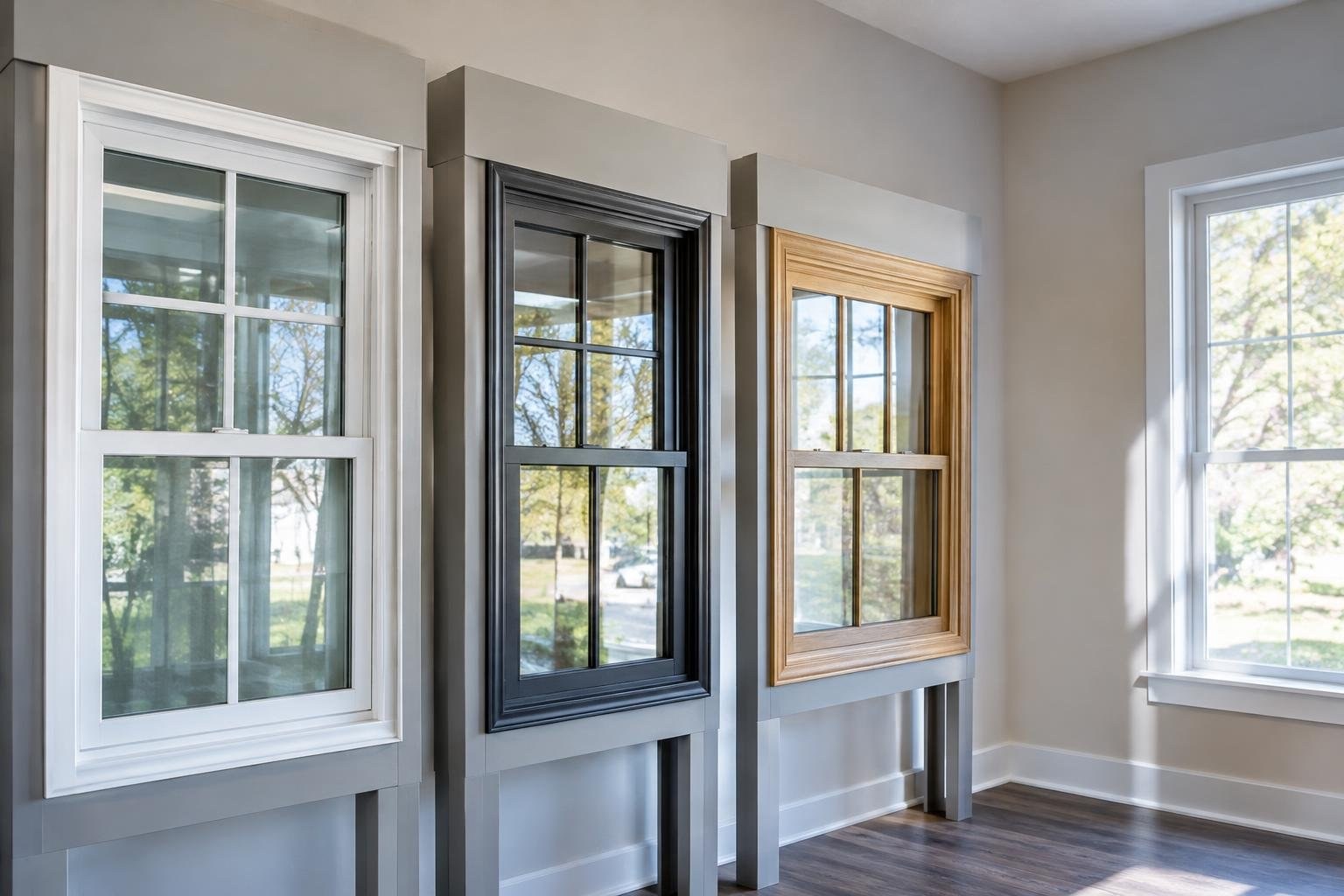
Why frame material matters when comparing windows
Window replacement is not just a choice between three frame materials. A useful comparison includes the window style and glass, the condition and measurements of the opening, the installation work, and what the provider's written warranty covers. The same material can be offered in different product lines, so the label alone is not enough to judge a quote.
Start by writing down what matters most: initial budget, low upkeep, a particular appearance, or a frame that is stronger and more dimensionally stable. New Jersey providers offer vinyl, fiberglass, and wood replacement options, but the right fit depends on the specific home and its needs.
Use that priority list to request comparable proposals. Ask providers to identify the precise product and explain what is included rather than accepting a material name as a complete specification.
What a window replacement project includes
A replacement project generally involves selecting a product, confirming measurements and the proposed scope, arranging installation, and reviewing the completed work. The exact sequence and responsibilities should be explained by the provider in the proposal. Confirm who handles measurement, removal of existing windows, installation, cleanup, and any repair work that may be needed at the opening.
Ask how the quoted window is identified: material, model or product line, style, finish, and glass specification. If a proposal lists only “fiberglass” or “vinyl,” ask for enough detail to compare it with another bid. Confirm whether the price includes all windows and the full work you expect.
Before signing, make sure the written scope and warranty match your understanding. This helps you compare what each provider is actually offering rather than comparing a product label on one quote with a complete project on another.
Signs a window project may be worth investigating
Consider replacement or a professional assessment when a window no longer meets your needs, the frame or seal appears damaged, or you are planning a broader update. These are prompts to investigate, not proof that a particular frame material will solve the problem. Identify what you have noticed and ask providers to explain whether it points to a product issue, an installation concern, or a condition around the opening.
When comparing new options, match the choice to the concern. If low upkeep is important, vinyl may merit a closer look. If you are weighing stability and strength, compare fiberglass. If the existing appearance is central to the project, consider whether wood's traditional look and insulation justify its maintenance and upfront cost.
Do not assume that a different frame material alone will fix every issue. Ask the provider to describe the proposed product and work, and to put any recommended repairs or exclusions in the written estimate.
Cost and pricing: compare complete written quotes
Window replacement costs vary by project, so request written quotes for your actual home rather than relying on a generic per-window figure. Wood generally has higher upfront costs than the alternatives, while vinyl is often a value-oriented choice. Some fiberglass options are positioned as a more premium-looking choice, but the price for a particular project must come from an itemized proposal.
Ask each provider to list the products and work included, along with any items priced separately. Have all bidders quote the same number of windows and identify frame material, style, finish, glass, installation, removal, cleanup, and any anticipated repair work. Ask whether the quote includes tax, disposal, or other charges, and how changes are approved.
Compare the total project and warranty, not just the initial number. A higher quote may include a different product or scope, so ask what accounts for the difference before deciding.
Factors that can change the project and quote
Material is one part of a window project's price and suitability. The number and size of openings, the window style and finish, selected glass, access to the work area, and the installation scope are details to ask providers to assess and price.
Existing conditions matter to the proposal too. Ask what the provider has assumed about the openings and what happens if removal reveals a condition outside the original scope. The estimate should say whether related repair work is included, excluded, or subject to a separate approval.
For a fair comparison, send providers the same project information and ask them to itemize differences. This makes it easier to see whether a quote is higher because of the selected frame, finish, glass, installation work, or another stated item.
Vinyl vs. fiberglass vs. wood: strengths and tradeoffs
| Material | Potential strengths | Tradeoffs to consider |
|---|---|---|
| Vinyl | Low upkeep and value are common reasons to consider it. | Compared with fiberglass, vinyl may expand and contract more, which can contribute to warping. |
| Fiberglass | Stronger and more dimensionally stable than vinyl; available in finishes that can resemble painted wood. | Some fiberglass options are positioned as a more premium-looking choice; compare the specific product and quote. |
| Wood | Traditional appearance and good insulation. | Higher upfront cost and more maintenance than the other options discussed. |
These are broad material-level comparisons, not a guarantee about every product. Product construction, specifications, installation, and warranty still matter. Do not treat a general service-life claim as a promised lifespan for a specific window. Ask the manufacturer or provider for product-specific documentation.
Vinyl may fit buyers who want low upkeep and practical value. Fiberglass may fit those who place greater weight on stability, strength, or finish options. Wood can be the right aesthetic choice if its additional maintenance and cost suit your plans. Compare options against your own priorities rather than treating one as universally best.
What to expect and how to plan timing
Do not expect a single timeline to fit every replacement project. Ask for expected dates for measurement, product ordering, installation, and any follow-up, and request updates if the schedule changes.
Before installation, confirm which windows are being replaced, how the work area will be accessed, and who is responsible for removal and cleanup. Ask the provider to explain how changes to the scope will be approved and priced. If you need the work completed by a certain date, raise that constraint before selecting a product or signing.
After the work, review the completed installation against the agreement and ask how to report a concern. Keep the quote, product details, warranty, and any written changes together for reference.
How to choose a qualified window provider
Choose a provider by comparing a clear written proposal with the product and installation plan, not by relying on a broad promise about material. Ask for the exact manufacturer and model or product line, the frame and glass specifications, the installation scope, the expected schedule, and warranty terms. A useful proposal should let you understand what you are buying and what happens if the scope changes.
- Request itemized quotes using the same window count and project details.
- Ask who measures, installs, removes old units, and handles cleanup.
- Ask how the provider assesses existing openings and documents unexpected work.
- Request written product and labor warranty terms, including how to make a claim.
- Ask for references or examples of comparable work if helpful, and confirm any claims directly with the provider.
Compare the answers as well as the price. A provider should be able to explain why a proposed material fits your priorities and identify the tradeoffs, including maintenance, finish, and cost.
Permits, credentials, warranties, and safety questions
Do not assume permit requirements, licensing rules, or warranty coverage are identical throughout New Jersey. Before work starts, ask the provider which permits or approvals may apply and who will confirm them with the relevant local authority. Get the answer in writing and verify it rather than relying on an informal assurance.
Ask separately about product warranties and installation or labor coverage. Confirm what each covers, how long coverage lasts, what may be excluded, and whom to contact if a problem arises. Keep copies of product documents, the contract, payment records, and any approved scope changes.
For safety and accountability, clarify who will be present, how the work area will be managed, and what the provider expects you to move or protect. Do not authorize extra work without understanding its scope and price.
Ways to save without weakening the project
Reduce costs by improving the comparison, not by skipping important work. Ask multiple providers to quote the same windows and scope, and request alternatives that preserve the features you care about. For instance, if a premium-looking finish is not essential, ask whether a different product option changes the price. If you are considering wood for appearance, ask for a clear account of its upkeep and upfront cost alongside other frame choices.
Be cautious about cutting the number of windows or changing specifications before understanding how that affects the project. Ask providers to identify optional work separately from work they consider necessary, and explain the reason for each recommendation. Request a written revised quote when you change a selection.
A low initial bid is not automatically the best value if it leaves out installation details, cleanup, or warranty information. Compare complete, written totals and confirm that all providers are pricing the same job.
Mistakes, red flags, and a pre-signing checklist
Common comparison mistakes include choosing from material names alone, treating a broad lifespan statement as a guarantee, and comparing a detailed proposal against a quote that omits key work. Vinyl and fiberglass differ in dimensional stability, while wood has distinct appearance, insulation, upkeep, and cost tradeoffs. None of those points replaces product-specific documentation or an installation plan.
Before signing, check:
- Do all quotes cover the same openings, quantities, styles, finishes, and glass specifications?
- Are the product model, installation work, removal, cleanup, and exclusions written down?
- Are changes and unexpected work subject to your approval and a written price?
- Have you reviewed upkeep, warranty terms, and expected timing?
- Have you asked who will confirm any permit or local approval requirements?
Pause if a provider will not identify the product, put the scope in writing, explain an unusually low quote, or clarify warranty and change-order terms. Resolve those questions before authorizing work.
Frequently asked questions
Which window material is best for a New Jersey home?
Vinyl is often a practical choice when low maintenance and value are priorities. Fiberglass is worth comparing if you prioritize stability and finish options. Wood can suit a home where traditional appearance and insulation matter and you are prepared for more upkeep and a higher upfront cost. The right choice depends on the specific home and your priorities.
Are wood windows worth the extra cost?
Wood windows offer a traditional appearance and good insulation, but they generally involve more maintenance and higher upfront costs than the alternatives discussed here. Compare the full product and upkeep requirements rather than choosing based on appearance alone.
Are fiberglass windows better than vinyl windows?
Fiberglass frames are stronger and more dimensionally stable than vinyl. Some models offer finishes that resemble painted wood. Compare the specific window's features, finish, warranty, and installed quote before deciding.
How should I compare replacement window quotes?
Request itemized quotes for the same opening count, window styles, frame material, glass specifications, installation scope, and disposal or repair work. Wood generally has higher upfront costs, but ask providers to price your specific project.
How long does window replacement take?
Ask each provider when measurements, ordering, installation, and any follow-up work are expected, and request that the schedule and responsibilities appear in writing.
What should I ask a window replacement company?
Ask providers to document the exact window model, frame and glass specifications, installation scope, price, expected schedule, and warranty coverage. Check how the company handles measurement, removal, installation, cleanup, and concerns discovered at the opening before work begins.
People Also Ask
What are the main differences between vinyl, fiberglass, and wood windows?
Vinyl is commonly considered for value and low upkeep; fiberglass for stability and finish flexibility; and wood for traditional appearance and insulation. Compare specific products and installed quotes, not just the frame material.
Does fiberglass last longer than vinyl windows?
Fiberglass is stronger and more dimensionally stable than vinyl. Whether that difference justifies a higher quote depends on the products, installation scope, and priorities being compared.
Are vinyl windows a good choice for New Jersey?
Vinyl windows are often a low-maintenance, value-oriented option. Compare the specific window's specifications and warranty rather than assuming every vinyl product performs the same way.
Can fiberglass windows look like wood?
Fiberglass can be made with finishes that resemble painted wood and accepts paint well. Ask to see finish options for the exact model under consideration.
What factors can affect a window replacement quote?
The number and size of openings, window style and finish, glass selection, work-area access, and installation scope can affect a quote. Existing conditions may also matter, so ask what the proposal assumes and how unexpected repairs are handled.
What should I check in a window warranty?
Ask separately about product and installation or labor coverage. Confirm what each covers, how long coverage lasts, what may be excluded, and whom to contact if a problem arises.
What should I confirm before window installation?
Before installation, confirm which windows are being replaced, how the work area will be accessed, and who handles removal and cleanup. Ask how scope changes will be approved and priced.
There is no single best window frame for every New Jersey home. Vinyl is a sensible starting point when value and low upkeep lead your priorities. Fiberglass is worth comparing when dimensional stability, finish options, or long-term durability matter more. Wood deserves consideration when its traditional appearance and insulating qualities justify the added upkeep and upfront cost. Compare complete window specifications, installation plans, and written warranty terms before choosing.
Your next step
Explore your options and find providers at Estimate.org.
Search Qualified providersWant our help with selecting a provider
Reviewed and maintained by the Staff at Estimate.org.
Last reviewed and updated November 2, 2026 by the Estimate.org Editorial Team.
Sources
- Fiberglass vs. Vinyl Windows: Pros, Cons & How To Choose
- Fiberglass Vs. Vinyl Window Replacements | American Home Contractors
- Best Fiberglass Windows for Home Replacement (2026) | AHC NJ
- Vinyl vs. Fiberglass Windows: Comparing the Two Materials – Jaeger Lumber
- Vinyl vs. Fiberglass Windows: Which Is Worth the Cost in NJ?
- Vinyl vs Fiberglass Windows: Which Is Better for NJ Homes | AHC NJ
- Vinyl vs Wood vs Fiberglass Windows: NJ & PA Comparison Guide
- Vinyl vs. Wood vs. Fiberglass Windows, NJ: The Best Choice for New Jersey Homes | Blog
