

New windows can change the way a home looks from the street, but an eye-catching style is not automatically the right one. The strongest choices respect the home’s architecture, fit the existing openings, and make sense for the rooms inside. Start by looking at the facade as a whole: window size, spacing, grille patterns, trim, rooflines, and the front entry all contribute to the impression. This guide explains how to compare styles, where to focus first, and what to ask before you commit to repair or replacement.
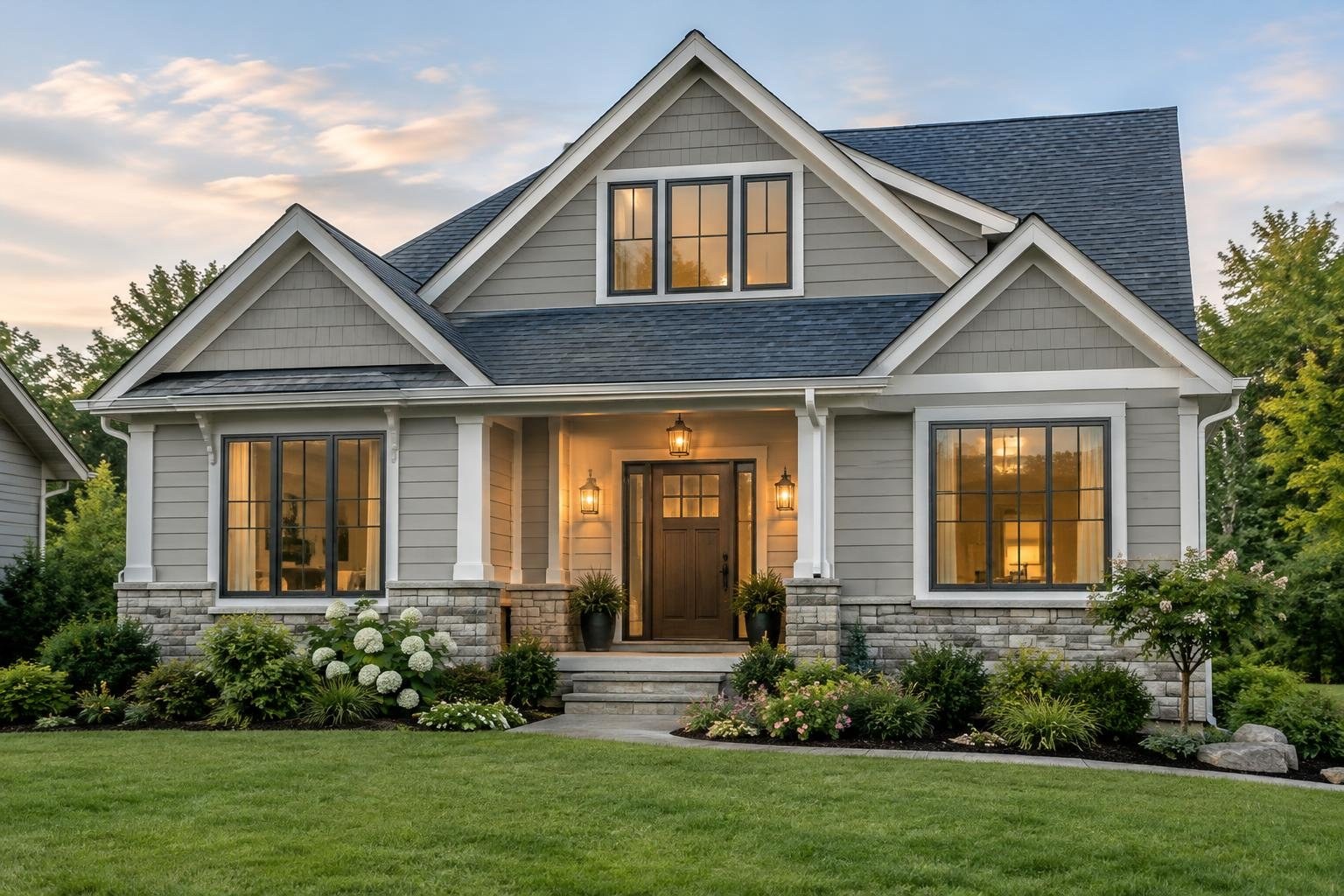
Why window style matters for curb appeal
Window style is more than a decorative choice. Shape, size, spacing, and trim affect how a facade feels. Large expanses of glass can create an open impression, while smaller, more detailed windows can bring a sense of character. The goal is not to make every house look the same. It is to make the windows feel like they belong to this particular house.
That matters whether you are replacing one damaged window or planning a larger project. A good-looking window that conflicts with nearby windows, the entry, or the rooflines can make the exterior feel less coordinated. On the other hand, a style that respects the home’s proportions can strengthen the overall composition. Think of the window as one part of a facade, not an isolated product.
Before looking at catalogs, take a few photos of the front and sides of the house. Note which windows are most noticeable, what shapes repeat, and where the existing trim or grille patterns establish a visual rhythm. This simple inventory gives you a more useful starting point than choosing a style based on a single attractive image.
What a window style project can include
A window project can mean repairing an existing unit, replacing one or more windows, or changing the style and appearance of an opening. The right scope depends on the condition of the window and what you want to improve. If the goal is mainly curb appeal, focus first on the visible features: window shape, proportions, grilles, and how the exterior trim will look after the work.
In a replacement discussion, ask the provider to describe exactly what is included. For example, clarify which openings are covered, what style and configuration are proposed, whether the exterior trim is part of the work, and what happens to existing details. Do not assume that a picture of a finished window shows every part of the installation scope.
Make a simple project brief before requesting proposals. Include photos, the rooms involved, your preferred appearance, and any practical needs such as ventilation or preserving a view. A clear brief helps providers explain alternatives and makes it easier to compare proposals that address the same work.
Window combinations can include fixed picture windows paired with casements, double-hung windows paired with specialty shapes, or sliders paired with fixed panels. These arrangements can bring together appearance, daylight, and ventilation goals. The right combination depends on what the room and facade need, rather than a rule that every opening must use the same operating style.
Signs it may be time to review your windows
Consider professional advice or a closer assessment when you notice damage, a window that does not operate as expected, or a look that feels out of step with the rest of the exterior. These observations do not, by themselves, prove that full replacement is necessary. Ask a qualified provider to assess the specific opening and explain whether repair or replacement is appropriate.
For a curb appeal project, take note of mismatches you can see from outside. Examples include noticeably different shapes across one facade, grille patterns that do not appear related, or a prominent front window that seems poorly balanced with the entry. Also consider whether the existing windows are part of a repeated pattern that gives the house its character.
Start with the most visible focal points if a whole-facade change is not your aim. The front living room, the entry area, and upper front bedrooms are useful places to assess because their windows help define the view from the street. Photographing those areas from a consistent position can make it easier to compare options.
A style mismatch is a design concern, not automatically a reason to replace a functioning window. Separate the appearance question from the condition question, then decide which one the project needs to address.
Cost and quote considerations
There is no supported one-size-fits-all price for a curb appeal window project. The cost depends on the specific openings and the work included, so request a written quote for your own home rather than relying on a general price claim. A change in style or configuration may involve a different scope from replacing a window with a similar design.
When reviewing a quote, check that it identifies the number and location of windows, proposed styles and configurations, and any trim or related work. Ask whether the provider has included the work needed to complete the installation and how any changes to the opening or exterior appearance will be handled. Request clarification in writing for items that are vague or appear to be excluded.
Compare proposals by scope, not just by the final number. If one quote includes a different style, fewer openings, or a different treatment of exterior details, it may not be directly comparable. Ask providers to price the same plan, then request a separate alternative if you are considering a different configuration.
It can also help to separate must-haves from preferences. You might prioritize a consistent front elevation and address less visible windows later. That is a way to define and phase the project, not a guarantee of savings. Avoid sacrificing installation details or choosing a style that conflicts with the house simply to reduce the quote.
Factors that shape the design and project scope
Several design decisions can change the appearance and scope of a project. Consider the size and shape of each opening, whether the window is fixed or operable, the grille pattern, and whether you are using one style or combining styles. The surrounding trim, rooflines, entry, and neighboring windows also affect how the finished facade reads.
Scale is especially important. A large window may make an exterior feel more open, while smaller windows with more detail can add visual intricacy. Neither approach is automatically better. Compare the proposed size and proportion with the existing facade and the room on the other side of the opening.
Think about function alongside appearance. If you want a clear view or more daylight, discuss how a fixed unit could work with operable windows nearby. If ventilation is important, ask which parts of a proposed combination open and how they operate. A design that looks cohesive but does not meet your everyday needs may not be a satisfying choice.
Other project factors are the number of openings being changed and whether the plan preserves or alters the existing visual pattern. Ask providers to identify the decisions that affect the proposal and to show you what each alternative would look like before you choose.
Window style options and tradeoffs
Compare styles by what they contribute to the facade and how they work for the room. A double-hung window can suit traditional and Colonial-style homes, where its familiar shape can work with symmetrical lines. Casement windows with divided lights can offer a traditional appearance. Bay and bow windows add projection and depth, while awning windows may suit modern or contemporary designs.
These are starting points, not rules. Bay and bow styles are often associated with Victorian and traditional homes, but the particular opening and proportions matter. A window type that is commonly used on one architectural style may still look wrong if its scale or placement conflicts with the house.
Mixed configurations are also worth comparing. A picture window with casements can combine a fixed view area with operable sections. Double-hung windows may be paired with specialty shapes, and sliders may be paired with fixed panels. Before selecting a combination, consider the visual balance from outside and whether the operable parts meet your needs inside.
Use this comparison as a shortlist, then ask to see the proposed configuration against a photo or drawing of your facade. Choose the option that supports the house rather than the option that is most striking on its own.
What to expect and how to plan timing
Plan for time to assess the existing facade, compare possible styles, define the work, review proposals, and coordinate the project with a provider. The research available for this guide does not establish a reliable installation duration. Timing can depend on the project details and the provider’s plan, so ask for a schedule specific to your home.
Before accepting a proposal, ask what needs to happen before work begins, what the expected work sequence is, and what could affect the schedule. Confirm who will communicate changes and how you will be told if the proposed scope needs to change. Ask the provider to put the agreed scope and schedule in writing.
Style decisions can take longer when the plan changes from a like-for-like replacement to a different shape or combination. Make key choices early: which openings are included, which windows operate, whether grilles are part of the design, and what exterior details should remain consistent. A clear decision list can reduce avoidable back-and-forth.
Do not assume that a quote date or a general estimate is a firm completion date. Ask how the provider defines milestones and what information is still needed before they can confirm a schedule.
How to choose a qualified window provider
Look for a provider who is willing to understand both the appearance goal and the practical needs of the project. Share photos and ask them to explain why a proposed style fits the home’s proportions, how it relates to nearby windows, and what tradeoffs come with the configuration.
Request a written proposal that clearly identifies the openings, proposed window types, operating configurations, grille choices, exterior details, and installation scope. Ask for alternatives to be listed separately if you are comparing designs. The more specific the proposals are, the easier it is to see whether providers are recommending the same work.
Ask for examples of similar projects or visual references that help you evaluate their design approach. Look for a clear explanation rather than a promise that a particular style will automatically increase value or transform the house. A responsible provider should be able to discuss appearance goals without guaranteeing an unsupported result.
Before you decide, ask who will do the work, how the provider will communicate schedule changes, and what written warranty information applies. Compare answers as carefully as you compare the proposed window styles.
Permits, credentials, warranties, and performance
Before work begins, ask whether permits or other approvals apply to the specific project and location. Confirm with the relevant local authority or ask the provider to identify what needs to be checked. Do not treat a general online statement as confirmation for your address.
Ask providers what qualifications, insurance, or other documentation they can show, and confirm any requirements that apply where you live. Review the written contract, scope, schedule, payment terms, and warranty documents before agreeing. If a warranty is discussed, check what it covers, who provides it, and how to request service.
Window performance matters as well as appearance. In colder conditions, choices should be considered in light of drafts and condensation concerns, not just exterior design. Discuss the conditions at your home and ask what performance information applies to the proposed product and installation. Avoid relying on a style name alone to establish how a window will perform.
Keep records of the final product selections, approved changes, and written terms. If the project includes a change in window configuration, confirm that the finished result matches the agreed appearance and scope.
Ways to manage the project budget safely
A careful way to manage cost is to decide what matters most before requesting quotes. Identify the windows that most affect the street-facing facade, then set priorities for style, operation, grilles, and trim. A focused scope can help you compare options without asking providers to price several different projects at once.
Ask whether a simpler configuration could meet the same appearance and functional goals. For instance, compare a consistent set of windows with a mixed configuration, or ask whether a prominent focal-point area can be addressed before less visible parts of the house. Get any alternate scope priced and described in writing so you understand what changes.
Compare multiple proposals using the same project brief and look for differences in included work, not just price. Ask providers to explain unclear items and identify exclusions before you sign. Avoid choosing a cheaper proposal if it leaves important installation or finish details undefined.
Do not cut costs by making a design decision that creates a poor fit with the facade or by overlooking performance concerns. A measured plan, clear priorities, and comparable quotes are safer ways to control a project than selecting a window based only on its appearance in a product image.
Common mistakes, red flags, and a decision checklist
Window style decisions are easier to review when you break them into practical checks. Use this list before approving a proposal:
- Facade fit: Does the proposed style make sense with the home’s architecture, rooflines, entry, and trim?
- Proportion: Do the windows look balanced with the existing openings and with one another?
- Consistency: Do grille patterns and shapes create a deliberate visual rhythm?
- Function: Have you confirmed which windows open and whether the arrangement suits your needs?
- Scope: Does the proposal name each opening, style, configuration, and included finish work?
- Terms: Have you reviewed the written schedule, warranty information, and any applicable approval questions?
Common mistakes include selecting from a product photo without considering the whole facade, changing styles without checking the opening proportions, and assuming every window must be identical. Another is focusing on appearance while overlooking how the windows will be used or how the proposed work will address performance concerns.
Be cautious if a proposal is vague about which windows are included, changes are not documented, or an outcome is guaranteed without a clear explanation. Ask for a revised written scope and time to review it. A provider should be able to explain the recommendation and its tradeoffs in terms you understand.
A practical plan for choosing your windows
Make the decision in stages. First, document what is already there and identify the windows that matter most from the street. Next, decide whether the project is about repair, replacement, appearance, function, or a combination. Then compare a small number of configurations that suit the facade and the rooms.
Use photos or sketches to review how each choice affects the full exterior. Check the balance of the front elevation, the relationship to the entry and rooflines, and whether a new pattern remains coherent with windows that are not changing. If you are considering a prominent feature such as a bay or bow window, assess its scale and placement carefully.
Finally, ask providers for comparable written proposals and a clear explanation of their recommendations. Confirm the project scope, schedule, applicable approval questions, and warranty details before committing. This keeps the choice grounded in the actual house and the work being offered rather than a generic style trend.
Frequently asked questions
How do I choose window styles that improve curb appeal?
Begin with the home’s architecture, the proportions of the existing openings, and the windows most visible from the street. Then compare operating style, grille pattern, and how the windows relate to the front door, rooflines, and trim. A coordinated choice usually looks more intentional than selecting each window in isolation.
Which window style looks best on a traditional home?
Double-hung windows often suit traditional homes because their balanced shape works well with symmetrical facades. Casement windows with divided lights can also complement traditional architecture. The right choice depends on the home’s existing proportions and details, not only on the window type.
Do bay windows improve curb appeal?
Bay and bow windows project outward and add depth to a facade. They can suit Victorian and other traditional homes, but their size and placement should make sense with the house’s overall composition and the existing opening.
Are picture windows or casement windows better for curb appeal?
Consider whether the window opens, how much ventilation you want, the view and daylight you want to preserve, and how the style fits the exterior. Fixed picture windows do not open, while combinations of fixed and operable windows can balance views, light, ventilation, and appearance.
Can window size affect a home’s curb appeal?
Yes. Window size and proportion affect how the facade reads. Larger windows can create a more open impression, while smaller windows with more detail can add visual character. Match proposed proportions to the house rather than choosing a size based on appearance alone.
Can I improve curb appeal without replacing every window?
You can start by assessing visible windows, comparing style and grille options, and requesting quotes for a clearly defined scope. Whether replacement is appropriate depends on the condition of the existing windows and the work proposed, so ask providers to explain repair and replacement options.
People Also Ask
How do you match windows to a home’s architecture?
Look at the facade from the street and note the window shape, spacing, trim, and grille patterns already in place. Choose styles that suit those details and the home’s architecture. A window that looks attractive by itself may not look cohesive when installed alongside mismatched features.
Which windows should I replace first for curb appeal?
Start with windows that frame prominent areas such as the front living room, entry, or upper front bedrooms. These visible areas can be useful priorities if you want to focus on the facade rather than changing every window at once.
Can I combine different window styles on one house?
Window combinations can pair fixed picture windows with operable casements, double-hung windows with specialty shapes, or sliders with fixed panels. Compare the appearance, ventilation needs, and overall balance of the combination before choosing it.
Do window grids or grilles improve curb appeal?
Yes. Grille patterns add detail and influence how windows relate to the home’s architecture. Compare the proposed pattern with existing windows and other facade features so it looks deliberate rather than inconsistent.
What is the curb appeal benefit of a bay or bow window?
A bay or bow window projects from the facade and can add depth. Check that its scale, location, and exterior details suit the rest of the home before choosing this more prominent feature.
What should I compare in window replacement quotes?
Compare the style, size, grille pattern, operation, materials and finishes offered, installation scope, and written warranty terms. Ask each provider to quote the same set of windows and work so you can review proposals on a like-for-like basis.
The best window style is the one that looks at home on your house, fits the openings, and supports how you use each room. Start with the front-facing windows that shape the facade, then compare proportion, grille pattern, operation, and how each choice relates to the entry, rooflines, and trim. Before committing, ask providers to explain what will change, what will stay, and how the proposed windows will be installed and protected. When you are ready to explore your options, Explore your options and find providers at Estimate.org.
Your next step
Explore your options and find providers at Estimate.org.
Reviewed and maintained by the Staff at Estimate.org.
Last reviewed and updated November 10, 2026 by the Estimate.org Editorial Team.
Sources
- Maximize Curb Appeal: How to Select the Best Window Style for Your Home's Architecture – Come Away Home
- How to Choose Window Styles for Curb Appeal in Michigan — NEXT EXTERIORS By Premier Builder Inc
- Window Style Combinations: Best Pairings for Curb Appeal & Natural Light | Infinity by Marvin
- Best Window Styles to Boost Your Home’s Curb Appeal
- Window Styles that Boost Curb Appeal | Modern Restoration
- Curb Appeal Windows: Measuring the Impact of Style & Trim on Home Value
- Best Window Styles to Boost Curb Appeal in 2026
- The Best Window Styles To Boost Your Curb Appeal 2026
