

Bathroom renovation ideas range from simple changes, such as new paint, lighting, hardware, or accessories, to replacing a vanity, shower, tile, or the room’s layout. The right choice depends on what is not working, what can remain, how much disruption you can accept, and the budget available for the full scope. A useful starting point is to separate appearance goals from functional needs: list the problems first, then choose the smallest project that solves them. If finishes are worn but the layout still works, a focused refresh may be enough. If storage, the shower, or the arrangement is the real problem, plan those changes together before selecting products. Published makeover examples show that keeping existing elements and changing finishes can transform a bathroom, while other designs use new tile, shower styles, lighting, or layout ideas. There is no single best renovation for every room. Compare the scope, product choices, installation needs, and written estimates before deciding.
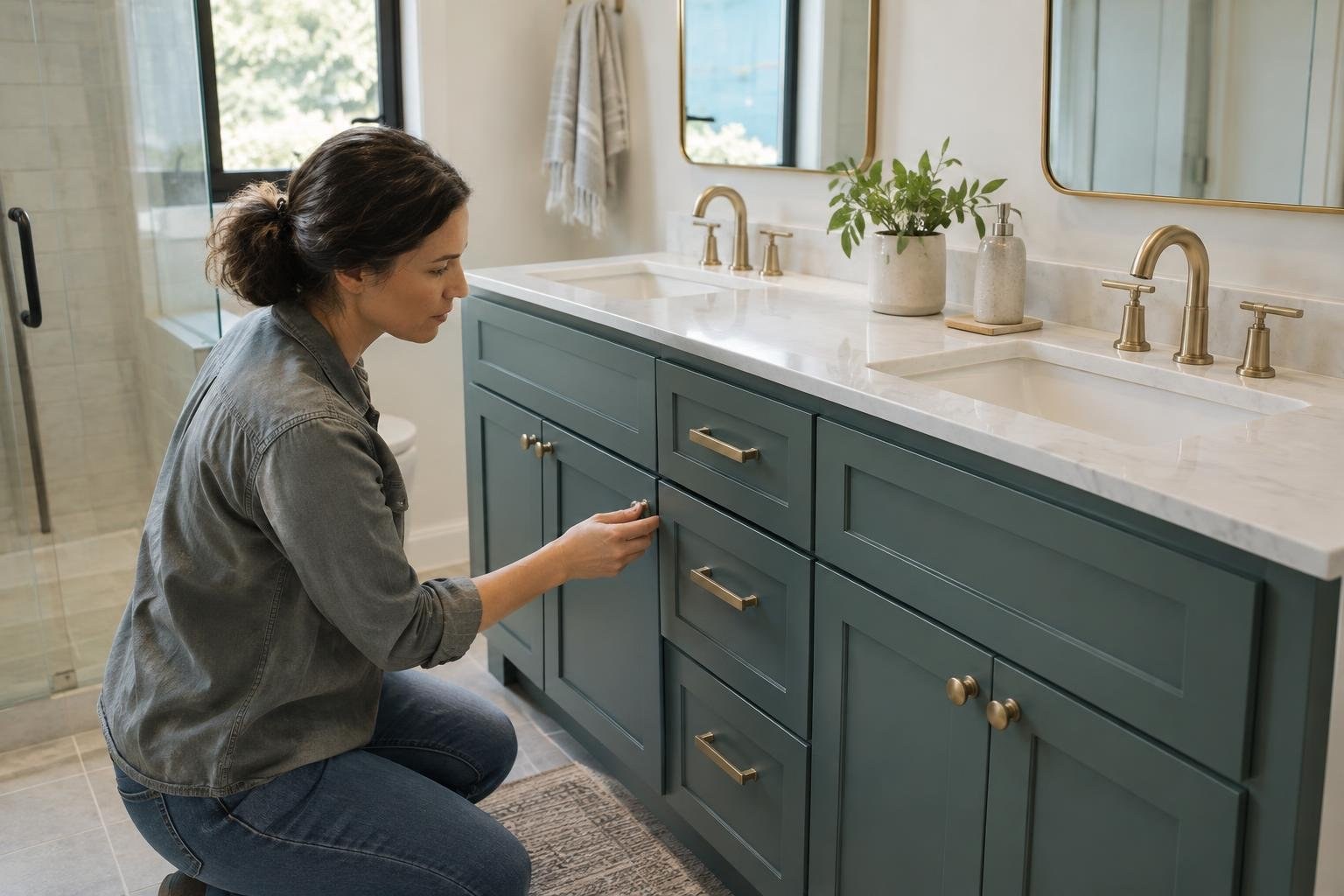
Bathroom renovation ideas start with what the room needs
A bathroom project can mean anything from changing a color scheme to rebuilding much of the room. For planning purposes, separate a refresh, which focuses on visible finishes and accessories, from a renovation that replaces fixtures or surfaces, and from a layout remodel that changes how the room is arranged. These labels are not a substitute for a written project scope.
Bathroom design coverage offers ideas across those levels, including wall tile, shower types, layout planning, tile edge trims, and small-scale updates. Practical inspiration also includes improving a vanity, lighting, storage, shower enclosure, or easy-care finishes. Treat those as a menu, not a checklist: choose changes that solve a real problem in your bathroom.
Write down what you want to improve, what currently works, and what you would prefer to keep. That simple inventory gives you a more useful starting point than collecting attractive photos without considering how the room is used.
Signs a bathroom update may be worth considering
Before choosing a finish, look for reasons the bathroom is no longer serving you. You may need a design update if the room feels dated or its colors and fixtures no longer suit your taste. A functional refresh may be worth exploring if storage is awkward, the vanity area is inconvenient, the light feels inadequate, or the shower is not the kind you want.
- Not enough useful storage: Consider the vanity, wall space, and possible furniture before assuming that a full demolition is needed.
- A tired vanity or fixture: Decide whether a surface update, new hardware, sink, or replacement better matches the condition and goal.
- A room that feels plain: Color, wallpaper, artwork, or accessories can provide a visual change without changing the whole room.
- A shower that does not fit your preferences: Compare shower styles and the scope of changing the enclosure or surrounding finishes.
These are design prompts, not a diagnosis of hidden damage. If you see signs of a leak, damaged surfaces, or another problem that may extend behind a finish, ask a qualified professional to investigate before covering it with cosmetic work.
Bathroom renovation cost: compare complete scopes, not photos
There is no reliable project price in the available design examples, so do not use an inspiration photo as a cost estimate. Ask for written estimates based on your actual room, selected products, and a clearly described scope. A cosmetic refresh and a project that replaces surfaces, fixtures, or parts of the layout are different jobs and should not be compared as if they include the same work.
When reviewing an estimate, ask whether it includes product costs, labor, removal and disposal, preparation, installation, cleanup, and any required permits or inspections. Ask how the provider handles concealed conditions and changes to the work. Identify which items you will buy yourself and which the provider will supply. Get the assumptions, exclusions, and payment schedule in writing.
What can change the price?
The chosen scope and products matter. For example, tiling an area rather than using a different wall finish changes the work being planned; one small-bath makeover used paint and limewash instead of tile as a cost-conscious design choice. That does not establish a universal price difference. Room condition, the amount of demolition, fixture choices, and any changes to plumbing or layout should be discussed with the estimator.
How to manage the budget
Set a budget before making final selections, then rank priorities as must-haves, nice-to-haves, and items that can wait. Ask for alternatives when an estimate exceeds your limit. Compare complete scopes rather than choosing a bid solely because its total is lower.
Factors that shape the project scope and estimate
The project’s cost and complexity depend on what changes, what remains, the products selected, and the condition of the room. A refresh that keeps a usable vanity is different from replacing it. A wall treatment is different from adding tile. Updating a light or changing accessories is a different scope from revising the layout.
Make the comparison concrete by asking each provider to identify the existing items that stay, the items being removed, the new products, and the work needed to install them. If you are comparing options, request separate prices for meaningful alternatives, such as keeping the vanity versus replacing it, or limiting tile to a particular area. This helps you understand what drives the difference instead of guessing from a single total.
Also consider disruption, not just price. A project involving more removal or more trades may affect how you use the room. Ask about the work sequence and any period when the bathroom will be unavailable. Confirm what could change after work begins and how the provider will get approval before proceeding.
Compare bathroom options before choosing finishes
Use a “keep, update, replace” comparison for each major element. Keeping an item limits the project to other changes; updating it may preserve its basic role while altering its appearance; replacing it lets you select a different product or size but expands the scope. The best route depends on the item’s condition, how well it works, and what you are trying to achieve.
| Choice | Potentially useful when | Tradeoff to consider |
|---|---|---|
| Keep existing vanity | Its size, condition, and function still suit the room | It may not solve a storage or layout problem |
| Refresh vanity and finishes | You want a visual change without replacing every element | Confirm the finish and any new sink or hardware are suitable |
| Replace vanity | The existing unit does not meet functional or design needs | Product selection and installation add to the scope |
| Change shower or tile | The current shower style or surfaces are a project priority | Compare the full installation scope, not appearance alone |
For walls, compare tile with paint or other finishes based on the intended location and the look you want. A published makeover demonstrates a paint-and-limewash alternative to tile in a small bathroom; other design guides present tile patterns and trim as ways to finish a renovation. Ask a provider to confirm suitability for your specific surfaces and conditions.
Ideas for vanities, storage, lighting, showers, and walls
Good bathroom design is a balance of daily function and personal style. Start with the vanity area: think about storage, counter use, the sink, hardware, and light. For a compact room, look at what space is available before adding furniture or replacing cabinetry. Design examples show that storage can sometimes be addressed with a freestanding piece rather than a full renovation.
For a stronger visual change, choose one or two deliberate details. A distinctive wall color, wallpaper, artwork, or a decorative object can give a small room personality. A makeover example kept the existing vanity, painted it a bold color, and paired it with a new sink, hardware, wallpaper, and light fixture. Another powder-room redesign used vivid wallpaper to create a more expressive space. These are inspiration, not prescriptions: consider how the colors and patterns will work with your room’s existing features.
For shower-focused projects, compare shower types and enclosure styles before settling on tile. For tile, decide how wall coverage, pattern, and edge trim relate to the rest of the room. Choose the combination as a coordinated set so the final result feels intentional.
Small bathroom ideas: make each change earn its place
Small bathrooms benefit from a plan that does not ask the room to do too much. Identify the one or two problems that matter most: storage, the vanity area, the shower, or the room’s overall appearance. Then test ideas against the space you actually have. A compact vanity update, a purposeful wall finish, or a few carefully selected accessories may be more suitable than changing every element.
Do not assume that a small room requires plain finishes. Design examples show small bathrooms using wallpaper or a bold color for character, while other ideas focus on refreshing a room with paint and accessories. Balance a statement finish with practical choices that are easy for you to maintain. Before ordering products, check dimensions and confirm that the chosen items fit the intended locations.
If the layout itself is the problem, gather options before construction begins. Layout guides can help you think through possible arrangements, but a provider should verify that the selected plan works for the actual room and the project’s installation requirements.
What to expect: planning, work stages, and timing
A realistic schedule starts with a defined scope, product choices, and an agreed plan for the work. The research examples do not establish a dependable standard duration, so ask providers for a project-specific schedule rather than relying on a generic timeline. Request the expected start date, work stages, anticipated interruptions to bathroom use, and how schedule changes will be communicated.
- Assess and plan: List the problems to solve, measure the room, and decide which existing elements might remain.
- Compare options: Choose a preliminary scope and compare finishes, fixtures, and layout ideas.
- Get written estimates: Ask providers to describe included work, exclusions, products, payment stages, and change-order procedures.
- Confirm requirements: Check applicable permits, inspections, and product or installation responsibilities before work starts.
- Prepare and complete the work: Agree on access, protection of nearby areas, removal, installation, cleanup, and a final review.
For a limited refresh, planning can be simpler, but product availability and coordination still matter. For a larger project, confirm who is responsible for each stage and who answers questions if the work uncovers an issue.
How to choose a bathroom renovation provider
Choose a provider who can explain how the proposed work addresses your priorities, not just show appealing photographs. Ask for a written estimate that separates the work and identifies products, preparation, removal, installation, cleanup, exclusions, payment terms, and the process for approving changes.
Before hiring, ask for references or examples of projects with a similar scope. Verify applicable license and insurance requirements with the relevant local or state authorities; rules vary by location and type of work. Ask who will perform the work, whether subcontractors are involved, and who will obtain permits or arrange inspections if needed. Ask how workmanship and products are covered, what maintenance or registration is required, and where warranty terms are documented.
Questions to ask before signing
- What specific work is included, and what is excluded?
- Which products and finishes are included in the estimate?
- What work will be performed by your team or subcontractors?
- What credentials and insurance apply to this project?
- Who checks local permit and inspection requirements?
- What is the expected schedule, and what could change it?
- How are concealed conditions or requested changes priced and approved?
- What are the payment stages?
- How will the work area and nearby surfaces be protected?
- What cleanup and final walkthrough are included?
- What product and workmanship warranties apply?
Permits, credentials, safety, and warranties
Bathroom work can involve products and trades that need to be planned together. Do not assume a permit is or is not required based on the project’s name. Requirements vary by jurisdiction and by what work is being done. Before signing, ask the contractor and local building department whether permits or inspections apply to the specific scope.
For work that changes plumbing, electrical components, or the layout, ask who is qualified to perform it and who is responsible for required approvals. Avoid taking on work beyond your skill level, especially where a mistake could damage the home or create a safety issue. Keep records of product information, written scope, approvals, and warranty documents.
Ask about the difference between manufacturer product coverage and a provider’s workmanship warranty. Request the actual terms, including exclusions, the process for making a claim, and any registration or care steps. Do not rely on verbal assurances alone.
Ways to reduce cost without compromising the plan
To reduce spending safely, first identify what does not need to change. A functional vanity may be kept and refreshed; accessories or color can change the room’s look without replacing every fixture. One documented makeover combined a retained, painted vanity with a new sink, hardware, wallpaper, and lighting. Another small-bath update chose paint and limewash instead of tiling the walls. These examples support considering a smaller scope, not assuming every existing item can or should remain.
- Prioritize the changes that solve the biggest daily-use problem.
- Ask for a price to keep, update, and replace major items where those are viable alternatives.
- Compare finish coverage and product choices before committing to extensive tile work.
- Reuse items only when their condition and function are appropriate.
- Get multiple written estimates with comparable scopes.
- Keep enough flexibility in the plan to address issues discovered during work, and agree on change approvals in advance.
Be cautious about saving money by skipping qualified installation, required approvals, or appropriate products. A cheaper estimate is not a meaningful comparison if it leaves out essential work or responsibilities.
Bathroom renovation mistakes to avoid
Many renovation disappointments begin with a mismatch between the idea and the actual scope. Avoid these common planning errors:
- Choosing from photos alone: Check the room’s dimensions, existing features, and practical needs.
- Replacing items that could stay: Evaluate condition and function before adding work.
- Changing finishes without solving the problem: A new color will not create storage or fix an unsuitable layout.
- Comparing estimates with different inclusions: Line up scope, products, removal, and cleanup before comparing totals.
- Leaving product choices until the last minute: Confirm selections and responsibilities as part of planning.
- Assuming a cosmetic project has no requirements: Check local permit and inspection rules for the actual work.
- Accepting verbal promises: Put scope, schedule, payments, changes, and warranties in writing.
- Picking the lowest bid automatically: Ask what is excluded and whether the proposed work meets your needs.
- Overloading a small room with ideas: Prioritize the changes that improve function and appearance together.
Related bathroom projects to consider together
Related improvements are worth reviewing when they affect the bathroom’s appearance, space, or project scope. The best time to consider them is before product selections and estimates are final, so you can ask whether they should be coordinated with the main work.
- Lighting: Evaluate it when planning the vanity or changing the room’s look. If electrical work is involved, ask how it affects scope, credentials, and any local requirements.
- Storage: Review vanity capacity and unused wall or floor space before replacing cabinetry. A freestanding piece may be an option when it fits the room.
- Shower and wall finishes: Choose shower style, tile coverage, and trim as a coordinated group. Decide which surfaces are part of the project before comparing estimates.
- Layout: Consider layout alternatives early if the current arrangement is a major concern. Changing the plan late may complicate product and work decisions.
- Accessories and color: Plan these after larger fixtures and finishes, so the final choices work with the room rather than compete with them.
Whether bundling work reduces cost depends on the actual project and provider. Ask for separate and combined scopes rather than assuming that adding work will save money. Decide which project must happen first based on installation dependencies identified by the professional doing the work.
Is a bathroom renovation worth it?
A bathroom update may be worthwhile if it addresses a persistent functional problem or makes the room more comfortable and appealing to you. It may not be worthwhile to replace everything when the room works and the main goal can be reached with a focused refresh. Compare the value of keeping usable components with the benefit of changing them, then review the full written cost and expected disruption.
Design examples range from small changes to a room-wide transformation. One makeover retained and repainted a vanity while changing other details; another used a more dramatic redesign for a powder room. Those examples illustrate that project scale can vary, but they do not establish a guaranteed resale return or savings. Make your decision around the home, your needs, your budget, and how long you expect to use the improved space.
For inspiration and provider research, compare options with a clear scope before committing. A useful project is one in which the finished room works better for its users, the estimate is understandable, and the work is planned responsibly.
Bathroom renovation planning checklist
- Write down the bathroom problems you want to solve.
- Decide what works well enough to keep, what to update, and what to replace.
- Compare a refresh with a larger renovation or layout change.
- Choose vanity, storage, lighting, shower, and wall-finish priorities before selecting details.
- Set a budget and request written estimates for comparable scopes.
- Confirm products, exclusions, removal, cleanup, payment stages, and change-order procedures.
- Verify applicable provider credentials and insurance.
- Check local permit and inspection requirements for the work involved.
- Get schedule expectations and product and workmanship warranty terms in writing.
- Review related work early and ask whether it should be coordinated.
- At completion, walk through the project, note any agreed follow-up items, and collect product and warranty documents.
Sources and visual inspiration
- Better Homes & Gardens: Bathroom Remodeling Ideas
- HGTV: Before and After Bathroom Makeovers
- Better Homes & Gardens: Budget Small Bathroom Makeovers
- Architectural Digest: Bathroom Ideas
- Houzz: Bathroom Ideas
Frequently asked questions
What should I do first when planning a bathroom renovation?
Start by listing what is not working, such as poor storage, dim lighting, worn finishes, or an awkward shower. Decide which items can stay, set a spending limit, and prioritize changes that address daily needs. A fresh paint color, updated light fixture, new hardware, or accessories may refresh a room without removing everything. If you are changing plumbing locations or the layout, plan the whole scope before choosing finishes.
Can I update a bathroom without replacing everything?
Yes. A bathroom can feel different with a smaller refresh, such as painting, changing hardware, updating a light fixture, adding wallpaper, or rearranging accessories. Keeping a usable vanity and focusing on visible finishes can also limit how much needs to be changed. Whether a refresh is appropriate depends on the condition of the bathroom and whether there are underlying problems that need attention.
How can I make a bathroom renovation more affordable?
Tiling a large area can be a substantial part of a bathroom project, so consider where tile is needed and whether other finishes suit the space. One published small-bathroom makeover used paint and limewash instead of tile to reduce the scope of the finish work. That example is inspiration, not a universal product recommendation: choose finishes based on their intended use and the conditions in the specific area.
What bathroom updates can improve storage?
A vanity can contribute storage, counter space, and a visual focal point. Before replacing it, check whether its size and condition work for you and whether a smaller update, such as paint, a sink, or hardware, would meet your goals. If storage is the main issue, consider the available wall or floor space too; adding a freestanding piece may be an alternative to replacing the vanity.
What should I consider before replacing a shower?
A shower update can involve more than choosing a new-looking enclosure. Compare the style and footprint with your needs, the existing room, and the full project scope. Ideas include changing the shower enclosure, considering a different shower type, or updating surrounding finishes. Before committing, ask a qualified provider to review any changes that affect plumbing, waterproofing, or the layout.
How long does a bathroom renovation take?
For a smaller refresh, set aside time to choose colors and products, confirm what will be changed, and coordinate any help you hire. A more extensive project may involve additional planning and trades. Ask each provider for a written schedule that identifies preparation, work stages, any inspections that apply, cleanup, and factors that could change the completion date. Do not assume a timeline based only on the room’s size.
How do I choose a bathroom remodeling contractor?
Compare more than the bottom-line price. Ask for a written scope describing the work, products, exclusions, schedule, payment stages, cleanup, and responsibility for permits or inspections when required. Verify applicable credentials and insurance, request references for similar work, and get the warranty terms in writing. A provider should be willing to explain what is included and how changes will be handled.
Do I need a permit for a bathroom renovation?
A bathroom renovation may require local permits or inspections depending on the work and jurisdiction. Ask the local building department and your contractor which requirements apply before work begins, particularly when the project changes plumbing, electrical work, or the layout. Do not assume a cosmetic-looking project is exempt without checking local rules.
People Also Ask
What is the best order for renovating a bathroom?
The right order is to define the problem and project scope first, then confirm a workable layout, set a budget, select products and finishes, and obtain written estimates. Ask providers when permits or inspections apply. Finalize product choices and responsibilities before work starts so that the estimate and schedule reflect the actual plan.
What are some good ideas for a small bathroom?
Useful small-bathroom ideas include choosing finishes that suit the room, making storage intentional, improving the vanity area, and using color or wallpaper to give the space character. Published small-bath examples also show paint and limewash as alternatives to tiling every wall. Keep the plan proportionate to the room and focus on the changes that improve your daily routine.
Should I keep or replace my bathroom vanity?
Keep a vanity if it is in usable condition, fits the space, and meets your storage needs. If the cabinet can stay, consider whether paint, a new sink, or updated hardware would achieve the desired look. If the vanity’s size or storage is the problem, compare replacement with other ways to use available wall or floor space.
Is a bathroom refresh better than a full remodel?
A full remodel can make sense when the layout, fixtures, or several finishes need attention at once. A refresh may be a better fit when the room functions well and the main goal is visual change. Compare what each option includes, including any work needed beneath visible finishes, before treating the lower-scope option as the cheaper choice.
What shower style should I choose for a bathroom renovation?
Look beyond the tile pattern. Compare the shower type, enclosure, footprint, finish choices, and how each option fits the room and your priorities. Ask a qualified provider to explain any installation implications before you choose, especially when changing the existing shower arrangement or surrounding construction.
Can I renovate a bathroom without using tile?
You can update a bathroom without tiling every wall. Paint or other wall finishes may be part of a refresh, and a published small-bath makeover used paint and limewash as an alternative to tile. Make selections for the location and intended use, and have a provider confirm that a finish is suitable for the specific surface and conditions.
The most successful bathroom renovation ideas solve a daily-use problem as well as improving the room’s appearance. Start with what is not working, decide how much of the existing bathroom you want to keep, and compare a focused refresh with a more extensive remodel. Prioritize the layout, storage, lighting, and finishes you will notice every day, then confirm the project scope, cost, schedule, and responsibilities in writing before work begins.
Your next step
Explore services and find providers at Estimate.org.
Reviewed and maintained by the Staff at Estimate.org.
Last reviewed and updated October 9, 2026 by the Estimate.org Editorial Team.
Sources
- Bathroom Remodeling Ideas | Better Homes & Gardens
- Before and After: 40 Incredible Bathroom Remodel Ideas
- Before and After: Budget Bathroom Remodels That Completely Transform Small Spaces
- These Stunning Bathroom Renovations Prove What's Possible in an Outdated Space
- 70 Refreshing Bathroom Ideas for a Dreamy, Steamy Sanctuary | Architectural Digest
- 15 Bathroom Remodel Ideas – With Tips and Photos
- 60 Bathroom Remodel Ideas to Inspire Your Next Project in 2026
- 75 Bathroom Ideas You'll Love – October, 2026 | Houzz
