

Choosing tile for shower walls is about more than color. The material should suit a wet-area application, fit the look and maintenance level you want, and work with the installer’s plan for preparing and finishing the shower. Porcelain is a strong all-around option: it is dense, moisture-suitable, and available in designs ranging from simple solids to stone-look patterns. Ceramic is often an affordable, versatile alternative, while glass and handmade-look tiles can add color, reflection, or texture. The right choice depends on the tile itself, your budget, the wall layout, and the quality of the installation. Material prices alone do not show the full project cost; removal, preparation, custom layouts, and labor can all affect an estimate. Compare complete written scopes and ask how the shower will be prepared before tile is installed. A good decision balances appearance with performance and puts the installation plan on equal footing with the tile sample.
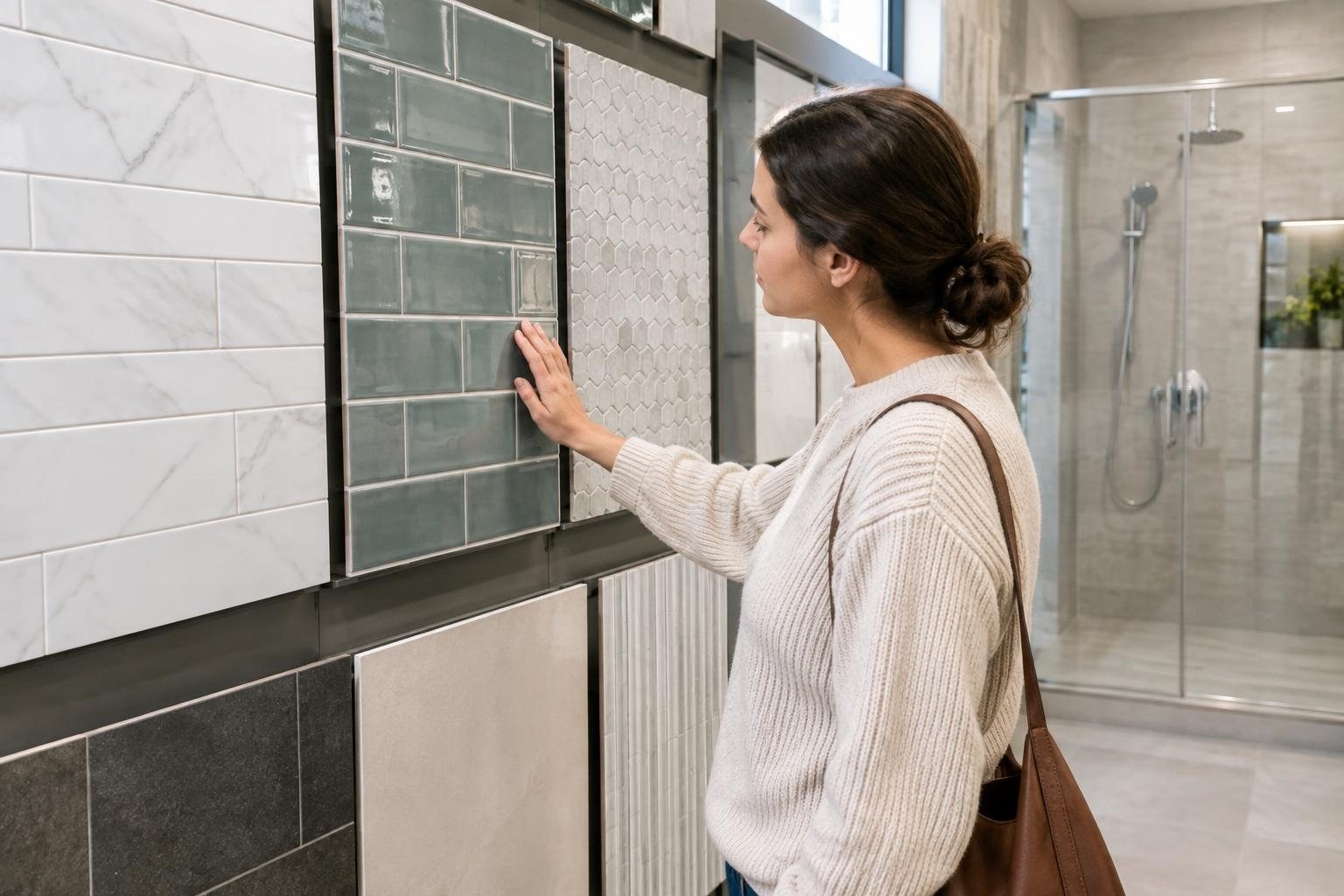
What to know before choosing shower wall tile
The best shower wall tile is not simply the most expensive or fashionable option. It should suit the wet location, the style of the room, and the project budget. Porcelain is frequently considered for its density, durability, moisture resistance, and design flexibility. Ceramic can be a cost-conscious choice with plenty of colors and finishes. Glass tile can introduce reflection, color, and visual depth.
Think of the decision in two parts: selecting a tile that suits your priorities, then confirming that the shower is prepared and installed as a complete system. A beautiful finish cannot compensate for a poorly planned installation. Ask providers to explain the work behind the surface as carefully as they explain the design.
What shower wall tile is and what a project includes
Shower wall tile is the visible finish covering the shower walls. The project may involve more than setting tile: depending on the room and the condition of the existing shower, a renovation can also involve removing the old finish, preparing the surface, planning the layout, and finishing the joints and edges.
Tile selection matters because the shower is a regularly wet area. Porcelain is valued for density and durability in shower applications, while ceramic is a common option for its variety and affordability. Product suitability should be confirmed for the intended use rather than assumed from appearance alone. The tile finish is one part of the overall shower assembly, so request a clear explanation of what the proposed project includes.
How a shower tile installation works
Tile creates the visible shower surface, but the finished result depends on the work that happens before and during installation. A provider should discuss the existing wall condition, the planned surface preparation, the tile layout, and how joints and edges will be completed. Ask which materials are included and which decisions you need to make before the work begins.
Layout is part of the design, not an afterthought. Tile size, pattern, corners, niches, fixtures, and transitions can affect how the finished walls look and how much cutting is needed. A feature wall using a detailed pattern with simpler tile elsewhere is one way to add visual interest without making every wall equally busy. Request a layout plan or clear explanation before approving a custom design.
Shower wall tile options and tradeoffs
| Option | Why consider it | Points to compare |
|---|---|---|
| Porcelain | Dense, durable, moisture-suitable, and available in a wide range of designs. | Ask about the particular product, intended application, finish, and installation details. |
| Ceramic | Often a more affordable option with broad style and color variety. | Compare product suitability, finish, and the installer’s proposed method. |
| Glass | Reflects light and can bring color or visual depth to a wall. | Confirm the selected tile is appropriate for the intended shower-wall application and review the layout. |
| Handmade-look or zellige-style | Can create a distinctive, saturated, or crafted appearance. | Review samples in the room and discuss how the chosen look will be laid out and finished. |
| Natural-stone feature or mosaic | Can add texture and visual interest as a focal area. | Discuss material selection, care expectations, and how it will pair with the other wall tile. |
Porcelain is often a balanced choice for people who want durability and design flexibility. Ceramic can suit a tighter material budget or a colorful design. Glass works well when reflection or a vivid accent is part of the plan. Handmade-look tile and stone mosaics are design-led choices; compare specific products and care requirements before treating them as interchangeable with porcelain or ceramic.
Porcelain vs. ceramic, glass, and feature tile
Porcelain versus ceramic is a useful starting comparison, but neither label alone answers every question. Porcelain is commonly chosen for its density, durability, and moisture resistance. Ceramic is recognized for its affordability and broad choice of colors, styles, and textures. Confirm that the exact product is intended for the shower wall and ask the provider to explain any differences that matter for your project.
Glass versus porcelain is often a choice between a reflective, colorful design feature and a more broadly adaptable tile surface. Some designs combine them, using glass or a small mosaic as an accent and a simpler tile on the remaining walls. A stone or herringbone feature paired with larger-format porcelain can also create contrast. These combinations should be judged by the overall design and installation scope, not by a claim that one style is universally best.
Large-format tile can create a simple, expansive look; smaller pieces or mosaics can introduce pattern. Have the installer review wall dimensions, edges, and transitions so the intended look is realistic for the space.
Materials, finishes, and design choices
Choose samples with both appearance and practical use in mind. Look at the tile in your bathroom’s lighting, compare surface and color options, and consider whether you prefer a quiet background or a focal point. Porcelain can imitate a range of looks, including stone-inspired styles. Ceramic offers many colors and textures, while glass can create a brighter, reflective effect.
Ask the seller or installer about the specific product’s recommended application and care. Do not rely on a general material label to answer questions about an individual tile. Also review how the chosen tile works with grout color, fixtures, niches, and adjoining finishes. A restrained main surface paired with one feature area can deliver contrast without making every wall compete for attention.
Factors that affect the project
There is no universal installed price for shower wall tile. A useful estimate must reflect the actual shower, the selected tile, and the work included. Material cost is only one part of the total; removal, surface preparation, layout details, finishing, and labor can change the scope. Because the available information does not establish current prices for a specific location or project, compare local, itemized written estimates rather than relying on a generic per-project figure.
What can increase the estimate?
- Choosing a more expensive tile or a design that requires additional cutting or careful layout.
- Increasing the area being tiled or adding a feature wall, niche, or custom detail.
- Removing existing finishes or addressing conditions discovered after removal.
- Changing the project scope, materials, or pattern after work is scheduled.
- Access constraints or other project-specific labor requirements identified by the provider.
What can help control cost?
- Compare several complete written scopes, not just material prices or a bottom-line number.
- Keep the layout straightforward if a custom pattern is not essential to your design.
- Choose a tile within your budget and confirm availability before committing to a schedule.
- Decide on tile, grout, and design details before work begins to limit avoidable changes.
- Ask whether related work can be coordinated, and compare the combined scope against separate estimates.
Ask each provider to separate tile, other materials, labor, removal, preparation, and potential additional work. The estimate should explain how changes or concealed conditions will be priced. Avoid treating an unusually low bid as a saving until you understand what it leaves out.
When to repair shower tile and when to consider replacement
A shower refresh may be limited to replacing a finish, while a full renovation may involve more extensive removal and rebuilding. The right scope depends on what you see and what a qualified provider finds when assessing the shower. Loose, cracked, or damaged tile, persistent moisture concerns, or deteriorating surrounding finishes are reasons to ask for an assessment. Those signs do not identify the cause by themselves, so avoid assuming that replacing a visible tile will resolve a problem behind it.
When comparing repair with a larger replacement, consider the shower’s overall condition, how extensive the affected area is, whether the existing tile can be matched, and what the provider says about underlying conditions. Ask for the reasoning behind the recommendation and whether a limited repair can address the cause. If the proposed scope changes once the old finish is removed, request a written explanation and updated price before authorizing additional work.
Warning signs that a shower tile project may be needed
Tile that is cracked, loose, or visibly damaged deserves attention, especially if the condition is worsening or accompanied by signs of moisture beyond the tiled surface. Staining, persistent dampness, or deterioration on an adjacent wall can be reasons to stop treating the issue as cosmetic and request a qualified inspection. A symptom alone cannot establish what is happening behind the tile.
- One isolated damaged tile: Ask whether a limited repair is possible and what caused the damage.
- Several loose or cracked areas: Request an assessment of the broader installation and surrounding surfaces.
- Signs of moisture outside the shower finish: Seek prompt professional evaluation rather than covering the symptom with new tile.
- Repeated repair needs: Ask whether a wider replacement scope would address the underlying issue more effectively.
These are practical reasons to get an evaluation, not a diagnosis. The provider should explain what they observed, what remains uncertain, and what additional inspection or work they recommend.
What to expect and how long a shower tile project may take
Every shower is different, so ask providers for a project-specific schedule instead of relying on a standard number of days. The time required can depend on the scope, tile selection, layout, removal, preparation, and any additional work found during the project. Confirm when the shower will be unavailable, what could change the schedule, and how the contractor will communicate delays or changes.
A clear process usually starts with an assessment and written estimate, followed by choices about tile and layout. Before installation, confirm the scope, materials, access arrangements, and protection of nearby areas. During the work, ask how changes will be approved and documented. At completion, review the finish, cleanup, and warranty paperwork before considering the job closed.
Have the tile selected and available according to the provider’s schedule. If you are combining the shower with other bathroom work, coordinate sequencing before work begins so one trade’s work does not interfere with another’s.
How to choose a qualified shower tile provider
For most readers, a shower-wall replacement is best evaluated with a qualified tile or bathroom renovation professional. The job involves more than placing tile: product suitability, wall preparation, layout, finishing, and the wider shower assembly need to be considered together. A homeowner may be able to research styles, compare samples, and measure the room for planning, but should not take on unfamiliar work that could compromise the shower or create damage.
Ask prospective providers about relevant shower projects, insurance, required local credentials, who will perform the work, and who is responsible for permits if applicable. Review references and recent project examples where available. Get the scope, materials, exclusions, payment schedule, change process, cleanup responsibilities, and warranty in writing. Verify credentials with the appropriate local authority rather than relying only on a contractor’s statement.
Questions to ask an installer
- What work is included from removal through final cleanup?
- How will you assess and prepare the existing wall?
- What is your plan for the shower’s waterproofing and transitions?
- Is the selected tile appropriate for this specific wall application?
- Can you show a proposed layout, including corners and feature areas?
- What grout and finishing materials are included?
- Who will do the work, and will subcontractors be involved?
- Are permits or inspections required for this scope in my area?
- What insurance and local credentials do you carry?
- How are concealed conditions and extra work documented and priced?
- What is the expected schedule, and what could affect it?
- What product and workmanship warranties apply, and what do they exclude?
Permits, safety, credentials, and warranties
Permit, inspection, licensing, and insurance requirements depend on the location and exact work. Ask your local building department or relevant licensing authority what applies to your project, and have the contractor identify who will arrange any required approvals. Do not assume that a project is exempt or permitted based only on a general online answer.
Ask for product and workmanship warranty terms in writing. Confirm who provides each warranty, how to make a claim, whether registration is needed, and what conditions or maintenance may affect coverage. Clarify whether the warranty covers materials, labor, or both. Keep invoices, product details, and project documents together after completion.
Before work starts, agree in writing on the work area, access, protection of adjacent finishes, disposal, and the process for approving changes. These practical details help set expectations and make it easier to review the job at the end.
Common mistakes and ways to save without cutting corners
Common avoidable mistakes include choosing tile from a small sample without considering the room’s lighting, selecting by appearance without checking suitability for the intended shower application, and approving a bid that does not explain surface preparation. Another is comparing a simple installation scope against an estimate that includes removal or additional preparation.
- Choosing solely by the lowest material or labor price.
- Assuming every tile with the same material label performs identically.
- Failing to review the layout, edges, transitions, and feature details before ordering.
- Accepting vague estimates that do not list materials, exclusions, and change terms.
- Covering a visible symptom without asking whether it points to a broader issue.
- Skipping local checks on permits or provider credentials.
- Leaving warranty promises verbal or failing to keep project records.
- Changing tile or pattern after work begins without checking cost and schedule effects.
To save safely, compare full scopes, make selections early, and keep custom details proportionate to the budget. Do not reduce cost by skipping work the provider identifies as necessary to prepare the shower properly.
Related bathroom projects to plan alongside shower tile
Shower tile is one part of a bathroom renovation. Before committing, consider whether the project also involves fixtures, a niche, adjoining finishes, or other bathroom work. Evaluating connected work together may make it easier to coordinate design choices, access, and trade schedules, but bundling does not automatically make every project cheaper. Compare a coordinated estimate with the cost and disruption of separate work.
- Shower fixtures: Evaluate them while planning tile layout so openings and finish details are coordinated. Confirm sequencing with the installer.
- Shower enclosure or door: Consider the transition between tile and enclosure during layout planning; confirm dimensions and installation sequence with the relevant provider.
- Bathroom flooring: Evaluate if the renovation extends beyond the shower. Decide how the shower work and floor work should be sequenced with the contractor.
- Lighting and paint: Coordinate finish choices as part of the overall design. Ask which tasks should happen after tile installation to avoid rework.
- Broader bathroom renovation: If walls or fixtures are changing, define the full scope before ordering tile. A coordinated plan can clarify which work comes first and which provider is responsible for each transition.
Get responsibilities and sequencing in writing when more than one provider is involved. Do not assume that one contractor’s estimate includes adjacent work unless the scope says so.
Is new shower wall tile worth it?
Shower wall tile can be worthwhile when the existing finish needs attention or when a planned bathroom update would benefit from a different surface and design. It offers substantial choice: porcelain can balance durability and design range, ceramic can suit a more budget-conscious material selection, and glass or feature tile can create a distinctive look. The drawbacks are that project cost and disruption depend on the scope, and a high-end tile does not by itself guarantee a successful installation.
Make the decision based on the shower’s condition, the look you want, the complete written estimate, and the provider’s explanation of preparation and workmanship. If the shower is in good condition and the goal is mainly a style change, compare the cost and disruption with other ways to update the room. If there are signs of a broader problem, prioritize diagnosis over choosing a new surface. No tile choice guarantees a particular resale return; consider the project’s usefulness and your own plans for the home.
Final homeowner checklist
- Identify what prompted the project and ask whether the issue is cosmetic or may involve a wider condition.
- Compare porcelain, ceramic, glass, or feature tile for appearance, intended use, and care preferences.
- Review samples and confirm the selected product’s suitability with the supplier or installer.
- Set a budget that considers tile, labor, removal, preparation, and possible scope changes.
- Request itemized written estimates with matching scopes.
- Verify local credentials, insurance, references, and who is responsible for approvals.
- Agree on layout, materials, schedule, access, cleanup, and change approvals in writing.
- Review product and workmanship warranty terms before signing.
- Coordinate related bathroom work and clarify which project happens first.
- At completion, inspect the agreed work and collect invoices, product information, and warranty documents.
Frequently asked questions
What is the best tile for shower walls?
Porcelain is a popular choice because it combines moisture suitability, durability, and design flexibility. Ceramic is often a lower-cost material option with a wide range of colors and styles. The best choice depends on your budget, desired appearance, maintenance preferences, and the installation plan.
Is porcelain or ceramic tile better for a shower?
Porcelain and ceramic are both common choices. Porcelain is often selected for its density and moisture resistance, while ceramic is valued for its affordability and variety. Compare the specific tile and its intended application rather than relying on the material name alone.
Is glass tile a good choice for shower walls?
Glass tile can reflect light and introduce color or visual depth. It can suit an accent area or a more expressive design. Before selecting it, ask the installer to confirm that the specific tile is suitable for the intended shower-wall application and how its layout will be handled.
How much does it cost to tile shower walls?
There is no single price that applies to every shower tile project. The total depends on the selected tile, the amount of wall area, layout complexity, preparation, removal, and labor. Request an itemized estimate that separates materials, installation, and any work needed after the existing walls are opened.
What should I check before installing shower wall tile?
The tile’s suitability, shower preparation, waterproofing details, and workmanship all matter. Ask the contractor what materials and preparation are included, how the tile will be laid out, and what the written warranty covers. A tile surface should not be treated as a substitute for a properly planned shower assembly.
Are large tiles or small tiles better for shower walls?
Large-format tile may create a simpler visual pattern with fewer grout joints, while small mosaics can add detail or make a feature area. The right scale depends on your design, the wall dimensions, and the installer’s layout plan. Ask to see a proposed layout before work begins.
People Also Ask
What tile is most durable for shower walls?
Porcelain is a frequent choice for shower walls because it is dense, durable, moisture-suitable, and offered in many designs. Ceramic is a versatile alternative that may help control material costs. The best option depends on the product, the planned installation, and the appearance and upkeep you prefer.
Should shower walls have large or small tiles?
Not necessarily. Large tiles can create a quieter visual pattern and reduce the number of grout joints, but the right choice depends on the wall, design, and installation plan. Small-format tile may be useful for accents or intricate patterns. Ask your installer to review the layout before ordering.
What makes a shower tiling project expensive?
Tile selection affects appearance and material cost, but the full estimate also depends on the amount of tile, removal, wall preparation, layout details, and labor. Ask for separate line items and clarify how the contractor will handle any additional work identified during demolition.
Can you use glass tile on shower walls?
Yes, glass tile can add color and reflect light, helping a shower wall feel visually distinctive. It is available in a range of colors and finishes. Confirm with the tile supplier and installer that the selected product is suitable for the intended wall and that the proposed installation method is appropriate.
How do I choose between different shower tile options?
Compare the tile’s intended application, look, care expectations, available sizes, and total installed estimate. Also compare the written installation scope: preparation, waterproofing approach, layout, grout, finishing, cleanup, and warranty terms. A lower material price does not necessarily mean a lower total project cost.
What questions should I ask a shower tile installer?
Ask for a written scope that describes removal, surface preparation, the installation plan, tile and grout selections, exclusions, cleanup, and warranty coverage. The installer should explain how the proposed product and design fit your shower and how changes or concealed conditions will be handled.
The best tile for shower walls is the one that fits your priorities and is installed as part of a properly planned shower assembly. Porcelain is a strong choice when you want a durable, moisture-suitable surface with broad design flexibility. Ceramic can be a practical way to manage material cost while choosing from varied styles, and glass or handmade-look tile can create a distinctive focal point. Compare the full project scope, not just tile samples or a material price. Ask providers to explain surface preparation, waterproofing, layout, grout, and what their written warranty covers. When you are ready to explore options, compare providers and project estimates on Estimate.org.
Your next step
Explore services and find providers at Estimate.org.
Reviewed and maintained by the Staff at Estimate.org.
Last reviewed and updated October 9, 2026 by the Estimate.org Editorial Team.
Sources
- How to Choose the Best Tile for Your Shower: A Bathroom Remodel Guide
- Best Type Of Tile For Shower Wall: The Ultimate 2025 Guide
- what’s the best tile for shower walls? a design-first perspective
- Best Tile for Shower Walls – Expert Guide – NT Pavers
- What Is the Best Tile for Shower Walls? A Guide to Choosing the Right Tile – Procida Tile
- Best Tile for Shower Walls: Waterproof, Stylish & Long-Lasting
- Choosing the Best Tile for Shower Walls – Expert Tips | Redblock Industries
