
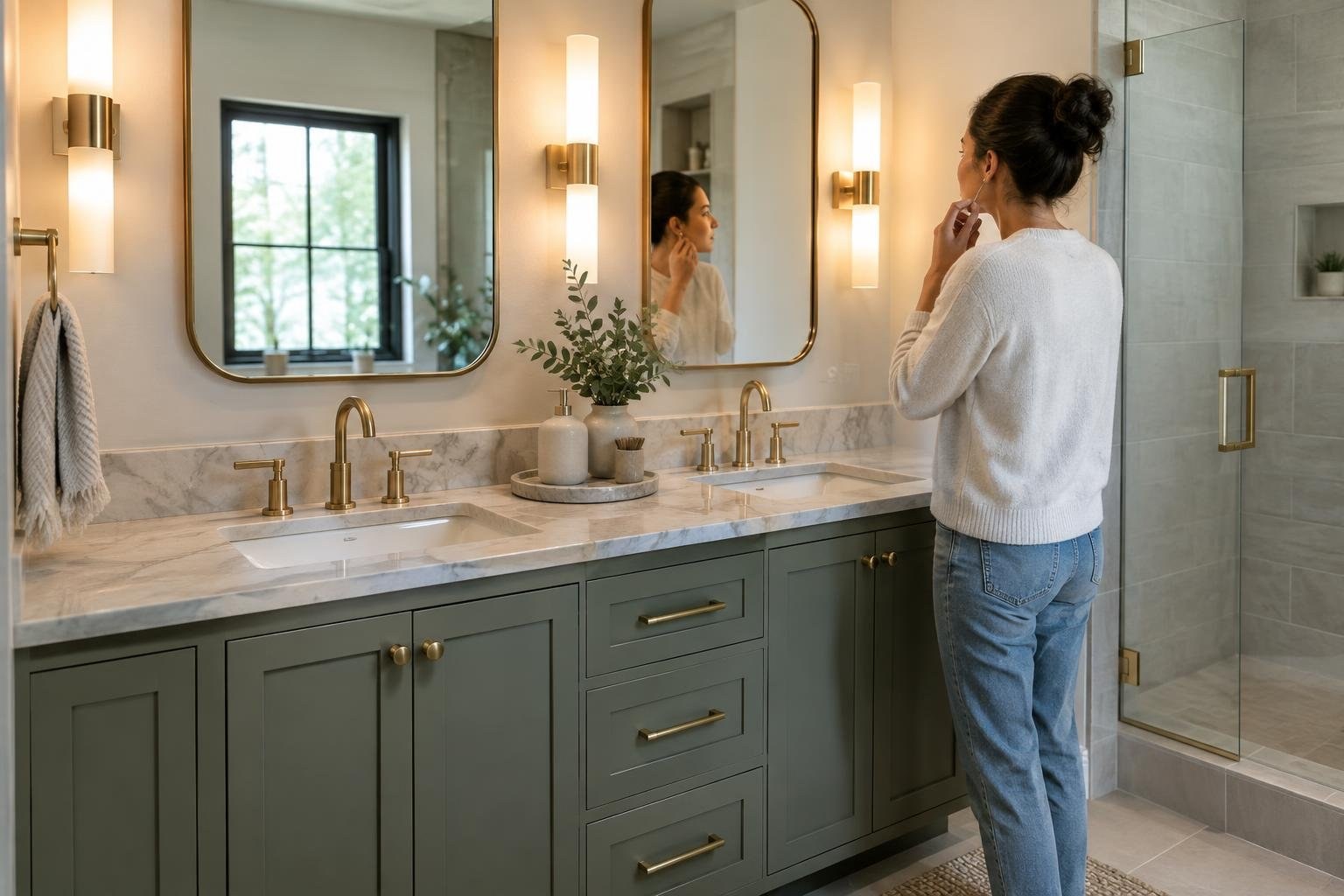
A modern bathroom remodel can mean a focused update to the vanity, lighting, fixtures, storage, shower, tile, or ventilation, or a broader renovation that changes several parts of the room. The right plan depends on what is not working, how much of the existing layout you want to keep, the finishes you prefer, and the scope a qualified provider can clearly price. Popular directions include clean-lined lighting, coordinated hardware, easy-care surfaces, better storage, and a shower design that suits the available space. A useful first step is to identify the room’s top two or three problems, collect reference images, and decide which changes are essential before comparing proposals. Design examples range from neutral palettes with color accents to bold powder-room treatments and tile focal points. There is no single modern look or universal project price; compare products and written scopes rather than relying on a style label or a headline estimate.
What a Modern Bathroom Remodel Can Include
A bathroom remodel may be a targeted refresh or a coordinated renovation. Common design elements include a new vanity, improved lighting, replacement fixtures, more storage, tile, ventilation, and a revised shower enclosure. Which work belongs in a project depends on the room’s condition, the owner’s priorities, and the design being pursued.
Modern does not have to mean stark or all-white. Design examples show neutral tones with richer color, distinctive vanity finishes, decorative metal hardware, and expressive powder-room treatments. A tile focal point can also add character without making every surface a feature. Use inspiration images to identify what you like, then translate those references into a practical list of changes.
Separate functional needs from visual preferences. For example, a vanity update might address storage and appearance, while a lighting change could alter how the mirror area reads. A shower change may be worth exploring when the existing arrangement makes a limited room feel crowded. These are design directions, not guarantees that a particular change will solve a specific layout problem.
Signs Your Bathroom May Need an Update
Begin planning by walking through the room and recording what frustrates you. Note whether the vanity provides enough storage, whether the lighting suits the mirror area, whether fixtures look worn, and whether the shower arrangement feels appropriate for the space. A design refresh can address appearance; a larger renovation may be needed if the desired changes involve several connected elements.
- Vanity: Consider whether its size, storage, finish, and hardware fit the room and your routine.
- Lighting: Decide whether you prefer a clean, understated look or a decorative fixture as a visual accent.
- Shower: Evaluate the enclosure and how it relates to the room’s available space.
- Surfaces: Compare tile, color, and focal-point ideas before selecting a coordinated palette.
- Ventilation and storage: Include these functional considerations in the initial brief rather than leaving them until finish selection.
These are useful planning prompts, not a substitute for an inspection. If you see damage or suspect a plumbing, electrical, or moisture problem, ask a qualified professional to assess the cause before choosing cosmetic finishes. The supplied design sources show visual possibilities but do not diagnose building conditions.
Bathroom Remodel Cost: How to Compare Project Pricing
Bathroom remodel pricing depends on the work and products included. The available design examples do not establish a reliable national price range, so avoid treating an unsupported average as a quote for your home. A vanity-and-lighting refresh is a different scope from a project that also changes the shower, tile, fixtures, or room arrangement.
Request an itemized proposal that separates, where applicable, demolition, disposal, preparation, products, installation, and any identified repairs or upgrades. Ask providers to specify what is excluded, what assumptions the estimate uses, and how changes are priced. Compare bids only after checking that they describe comparable work and product allowances.
What can change the price?
- The number of components being replaced, such as the vanity, fixtures, lighting, shower, and tile.
- The selected product lines, finishes, and degree of customization.
- Whether the existing layout is retained or the proposed work changes it.
- Preparation, removal, disposal, and any conditions discovered after work starts.
- Project access, schedule assumptions, and the responsibilities included in the written scope.
Ways to control spending without cutting corners
Set priorities before choosing finishes. Ask for a base proposal that covers essential work and separate prices for optional upgrades. Compare a design that retains the current layout with any alternate plan, and ask which products are included rather than assuming a photograph represents the quoted specification. Do not remove necessary preparation, safety work, or qualified installation merely to lower the initial total.
Modern Bathroom Design Options and Tradeoffs
Choose a design direction by comparing the effect you want, the amount of visual detail, and how the elements coordinate. Modern bathroom examples include subtle, clean-lined lighting; richer hardware accents; colorful powder-room walls; and tile with a small decorative focal point. Wall surrounds, bases, liners, and fixtures are also presented as design components across different styles.
| Choice | Design effect | Questions to ask |
|---|---|---|
| Neutral palette with color accents | Balances a restrained base with selected areas of color. | Which elements will carry the accent, and do the finishes coordinate? |
| Expressive powder-room treatment | Uses color or wallpaper to give a small room a distinct character. | Does the chosen treatment suit the room and the intended maintenance? |
| Tile focal point | Draws attention to a specific area while leaving other tile more restrained. | Where should the feature sit, and how does it relate to the rest of the tile? |
| Shower-focused update | Reconsiders the enclosure as part of the room’s visual arrangement. | Will this address the layout concern, and what else must the scope include? |
Ask to see the actual product or finish selections in the proposal. A reference image communicates mood, but it does not identify the materials, dimensions, or work included in a project.
Ideas for Small Bathrooms, Powder Rooms, and Larger Spaces
Modern bathroom ideas can be adapted to different room sizes. In a compact bathroom, examine whether the shower enclosure dominates the visual layout and whether storage or finish choices can reduce the sense of clutter. A shower renovation is one approach shown for making a limited space feel larger, but the result depends on the specific room and design.
For a powder room, a bolder color or wallpaper treatment can establish a distinct mood. In a larger bathroom, coordinate the vanity, tile, lighting, and hardware so each element supports the same design direction. A feature tile can provide interest while the surrounding surfaces remain simpler.
Before committing, create a small finish board or digital collection showing the vanity, tile, metal finishes, and lighting together. Review the selections as a group rather than choosing each item in isolation. Bring the same references to every provider so proposals address one consistent design brief.
What to Expect: Planning and Project Timing
Plan the project in stages: define needs, gather inspiration, confirm the work, select products, review the written proposal, and arrange the work with the chosen provider. Ask for a project-specific schedule that identifies preparation, installation, testing or review, cleanup, and the final walkthrough. Timing depends on the agreed scope and project conditions; the supplied examples are not a reliable schedule for another home.
- Document priorities. List functional needs and design preferences separately.
- Confirm scope. Ask providers to explain what stays, what is removed, and what is replaced.
- Choose products. Confirm selections and specifications in writing before work begins.
- Review logistics. Ask about access, protection of nearby areas, cleanup, and how changes are approved.
- Complete a walkthrough. Compare completed work with the written scope and record any open items.
Do not assume a project will match the duration of an online makeover example. Ask the provider to identify schedule assumptions and how product availability or newly discovered conditions could affect the plan.
How to Choose a Bathroom Remodeling Provider
Choose a bathroom remodeling provider based on the quality and clarity of the proposed work, not only on the design images or quoted total. Request a written scope that identifies products, installation responsibilities, exclusions, payment milestones, schedule assumptions, and the process for approving changes. Verify applicable licensing and insurance directly with the relevant provider or local agency, since requirements differ by location.
Questions to ask before hiring
- What work is included, and what is specifically excluded?
- Which products, finishes, and specifications are included in the proposal?
- Who will perform each part of the work?
- What permits or inspections may apply in my jurisdiction?
- How will you protect the home and handle debris?
- What is the expected schedule, and what could change it?
- How are concealed conditions and additional work handled?
- What is the payment schedule?
- What product and workmanship warranties apply, and where are they documented?
- How will changes, punch-list items, and disputes be recorded?
Look for answers that are specific, written, and consistent with the proposal. Design examples can help communicate a preferred look, but they do not establish a provider’s qualifications or promise that a particular result can be reproduced in your bathroom.
Permits, Credentials, Safety, and Warranties
Before work begins, ask the provider which local permits or inspections apply to the exact scope. Do not assume a cosmetic label means a project is exempt, and do not rely on a contractor’s verbal assurance when the local authority can confirm requirements. Licensing rules also vary by jurisdiction, so verify the credentials relevant to the work being performed.
Request written warranty information for products and workmanship. Confirm who provides each warranty, what it covers, how to make a claim, and whether registration or specified care is required. Keep product documents, the final scope, approvals for changes, and payment records together.
Electrical, plumbing, and other specialized work should be evaluated by appropriately qualified professionals. Avoid taking on work beyond your skills or local legal permissions. If a concern involves suspected damage or an unsafe condition, get a professional assessment before covering it with new finishes.
Common Bathroom Remodel Mistakes and Red Flags
Common planning mistakes include choosing finishes before deciding what the room needs, selecting every item separately without checking the overall palette, and comparing proposals that include different work. A dramatic reference image may not show the products, dimensions, or construction details needed for a real project.
- Using a design label such as “modern” as a substitute for a detailed scope.
- Focusing on appearance while leaving storage, lighting, or ventilation out of the brief.
- Choosing tile and hardware before checking how they look alongside the vanity and lighting.
- Assuming an online makeover’s schedule or result applies to another bathroom.
- Accepting a vague quote that does not identify products, exclusions, or change procedures.
- Skipping local checks on permits, credentials, or inspections.
- Choosing a provider based on a low total without comparing scope and product specifications.
- Proceeding with cosmetic work before asking about visible signs of an underlying problem.
Reduce avoidable confusion by keeping one written priority list, a consistent set of reference images, and a record of every product selection and approved change. Treat safety and required professional work as project requirements, not optional decorative upgrades.
Related Projects to Consider Before or During a Bathroom Remodel
Bathroom updates may connect with adjacent work, so ask providers whether the other project should be evaluated before finalizing the remodel. The right order depends on what is being changed and the condition of the home; do not assume that bundling always saves money.
- Lighting and electrical: Coordinate fixture choices and any electrical scope with the bathroom plan. Decide placement before finishes are finalized.
- Ventilation: Include ventilation in the initial design discussion, especially when planning a broader update. Ask a qualified provider to assess the room’s needs.
- Plumbing fixtures: Choose fixtures alongside the vanity and shower scope. Confirm compatibility and installation responsibilities in writing.
- Tile and wall finishes: Finalize the tile layout and any feature area before installation. A focal point can be balanced with simpler surrounding surfaces.
- Nearby paint or trim: Decide whether adjacent finishes should be refreshed after the main work, when the final palette is clear.
Ask for separate scopes or line items when comparing related work. That makes it easier to understand which project must happen first and whether coordinating the work is worthwhile for your particular home.
Factors That Affect the Project
A bathroom remodel is shaped by the room’s needs, the design choices you make, and how many elements the project includes. A focused update to a vanity or lighting is different from a plan that also changes the shower, tile, fixtures, storage, and ventilation. List the intended work clearly so each provider can respond to the same project brief.
- Room size and layout: A shower redesign may be considered in a limited space, but the result depends on the particular room and design.
- Elements in scope: Decide whether the project includes the vanity, lighting, fixtures, shower enclosure, storage, tile, or ventilation.
- Finish coordination: Neutral tones with color, distinctive hardware, and a tile focal point are different design approaches. Review selections together before finalizing them.
- Lighting direction: Recessed lighting and a globe pendant create different visual effects, so fixture choice and placement belong in the design discussion.
These factors help define what providers should include in their proposals. Use reference images to communicate the desired look, then ask providers to specify the products and work included rather than assuming an image represents a project’s price or scope.
Frequently asked questions
How do I make my bathroom look modern without remodeling everything?
Begin with the problem the room needs to solve, such as poor storage, worn finishes, an awkward shower, or unflattering lighting. Then choose a restrained palette and coordinate the major visible elements, including the vanity, fixtures, tile, and lighting. A focused update can create a modern look without requiring every surface or fixture to change.
What colors work well in a modern bathroom?
Modern design can use either light neutrals or richer colors. Examples in the supplied design coverage pair neutral tones with color, use distinctive vanity finishes and hardware, or make a small room more expressive with wallpaper. Choose colors and materials as a group, and consider how much visual attention you want the room’s focal point to draw.
Can a shower remodel make a small bathroom feel bigger?
A shower renovation can be one option to consider in a limited-size bathroom, and design inspiration describes it as a way to make the space feel larger. Before deciding, consider the room’s existing layout, how you use the shower, and whether the project can work with the current plumbing locations. Compare the full scope with less extensive updates.
What lighting should I choose for a modern bathroom?
Use more than one layer of light in the design plan. Recessed lighting can suit a clean, understated look, while a globe pendant can act as a more decorative feature when the room’s layout and electrical plan support it. Coordinate fixture placement with the vanity and mirror, and have electrical work evaluated by a qualified professional.
How can I plan a bathroom remodel on a budget?
Make a short list of what must improve, such as storage, lighting, worn fixtures, or the shower. Ask for an itemized written proposal that identifies the work, products, exclusions, schedule assumptions, and how changes will be handled. Compare proposals with the same scope; do not choose based only on a total price.
Are bold colors or wallpaper a good idea in a small bathroom?
A powder room can support a more expressive design because its small footprint can be treated as a distinct visual space. One documented remodel used wallpaper to create a colorful, elevated effect. If considering bold wallpaper or a feature finish, compare samples and make sure the chosen product is intended for the room’s conditions.
People Also Ask
What are the best modern bathroom remodel ideas?
Common ideas include updating the vanity, improving layered lighting, replacing worn fixtures, adding storage, selecting easy-care tile, improving ventilation, and reconsidering the shower enclosure. Choose updates around the room’s actual needs rather than treating every idea as a must-have.
Does a modern bathroom have to be white?
No. Modern bathrooms can use neutral tones, rich accent colors, distinctive vanity finishes, decorative hardware, or a focal point in the tile. The most cohesive result comes from choosing finishes that work together and limiting competing visual features.
Can I remodel a bathroom without moving plumbing?
It may be possible to update a bathroom without moving its plumbing, but whether that suits a particular project depends on the existing layout and the work planned. Ask providers to price a version that retains the current arrangement and explain separately what any proposed layout change adds to the scope.
What should I prioritize in a bathroom renovation?
Prioritize needs such as lighting, storage, worn fixtures, and shower usability before selecting decorative upgrades. Ask providers for an itemized scope and compare proposals with matching assumptions. This lets you decide what to keep, defer, or remove without treating a low total as proof that two offers are equivalent.
What type of lighting gives a bathroom a modern look?
Plan the lighting as part of the room rather than as a last-minute accessory. Recessed fixtures can create a clean look, while a globe pendant can offer a decorative accent in a suitable design. Have a qualified professional evaluate electrical work and confirm that the selected fixture and placement fit the project.
What bathroom remodel ideas work in a small space?
A shower-focused renovation is one design option for a limited space, but whether it improves a particular bathroom depends on the existing layout and the homeowner’s needs. Compare the shower proposal with other ways to address the room’s main problem before committing to a larger scope.
A successful modern bathroom remodel is not defined by a single finish or trend. Start with how the room needs to work, then choose a small number of coordinated updates for lighting, storage, fixtures, surfaces, and the shower. Keep the existing layout when it meets your needs, compare complete written scopes rather than headline prices, and verify local requirements before work begins. Save inspiration images and use them to explain priorities to providers you find through Estimate.org.
Your next step
Explore services and find providers at Estimate.org.
Reviewed and maintained by the Staff at Estimate.org.
Last reviewed and updated October 9, 2026 by the Estimate.org Editorial Team.
Sources
- 15 Bathroom Remodel Ideas – With Tips and Photos
- 120+ Bathroom Ideas & Projects – The Home Depot
- 60 Bathroom Remodel Ideas to Inspire Your Next Project in 2026
- Find inspiration with our Bathroom Design Styles | Re-Bath®
- 70 Refreshing Bathroom Ideas for a Dreamy, Steamy Sanctuary | Architectural Digest
- Modern Bathroom Remodel Ideas – The Home Depot
- 75 Modern Bathroom Ideas You'll Love – October, 2026 | Houzz
- Before and After: 40 Incredible Bathroom Remodel Ideas
