

A traditional bathroom remodel uses familiar, enduring design cues, such as classic architectural details, natural stone, rich wood, and vintage-inspired fixtures, to create a warm, composed room. The style does not have to feel old-fashioned: a simple palette, carefully chosen materials, and a practical layout can make traditional details feel current. Before choosing finishes, decide what the room needs to do, whether the layout should change, and which features matter most to your budget. Costs depend heavily on scope; one published source describes luxury projects at $25,000 or more, with some upscale renovations exceeding $100,000, but those figures are not a national average. The most useful first step is to define the project clearly, then compare written estimates on the same scope.
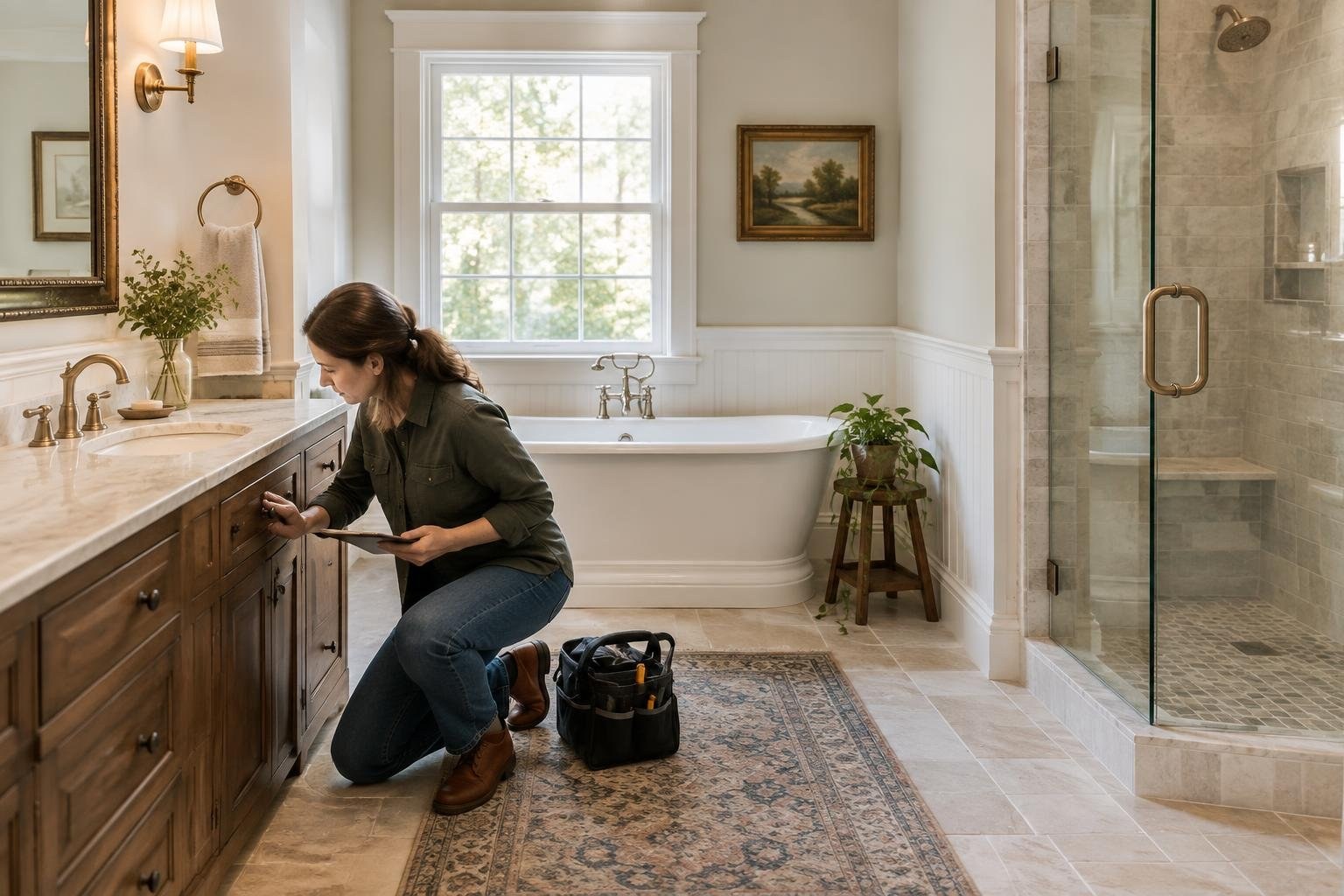
What makes a bathroom remodel traditional?
A traditional bathroom is defined more by its visual language than by a fixed checklist. Common cues include warm, familiar styling, classic architectural details, natural stone, rich wood, and vintage-inspired fixtures. That can mean a formal, detailed room, or a simpler design with just a few classic features. Traditional does not have to mean outdated: the aim is to make the materials and details feel intentional and comfortable for the people using the space.
Before collecting inspiration, list the room’s practical needs: storage, bathing preferences, accessibility, cleaning expectations, and the features that are not working. Use those needs to filter design ideas rather than letting a single attractive photograph dictate the entire renovation.
What a bathroom remodel can include
A remodel may involve changing finishes and fixtures, replacing a vanity or shower components, or reworking the room’s layout. The contractor’s proposal should say which of these are included. A design reference might show combinations such as a stone-tile walk-in shower, travertine flooring, an undermount sink, or recessed-panel cabinetry, but those examples are not a required package.
Think of the project in three connected parts: the room’s function, its fixed elements and layout, and its visible finishes. Decide what needs to change in each part before choosing a complete set of products. That makes it easier to compare bids and identify differences in scope.
Signs it may be time to remodel
Consider a remodel when the room no longer supports how it is used, when the finishes or fixtures need attention, or when you want a different bathing arrangement or design. A design upgrade alone does not establish that a full renovation is necessary. First identify whether the concern is limited to a surface or fixture, or whether the project needs to address layout and other underlying work.
- Write down what is inconvenient or unsatisfactory in the current room.
- Separate must-haves from appearance preferences.
- Ask a qualified provider to inspect the proposed work area and explain the scope they recommend.
A remodel should respond to a defined need, not just a collection of unrelated inspiration images.
Traditional bathroom remodel cost considerations
There is no reliable single price for a traditional bathroom remodel based on style alone. A published remodeling source describes high-end renovations at $25,000 or more and says some upscale projects exceed $100,000, especially where structural changes or bespoke features are involved. Those are high-end examples from one source, not a national average, a current local quote, or a prediction for your project.
Request an itemized estimate that separates the work, materials, fixtures, and any allowances or exclusions. Ask whether the number includes removal, disposal, changes to the layout, and finish selections. If estimates are difficult to compare, ask each provider to price the same written scope.
Do not treat a low headline number as a complete budget. Confirm what the estimate assumes and how additional work would be approved and priced.
Factors that affect cost and project scope
The project price and complexity depend on the choices and work included. A room that keeps its existing arrangement is not the same scope as one that changes its structure or uses bespoke elements. Finish choices also matter: examples of traditional designs feature materials such as marble, travertine, and rich wood, alongside more restrained cabinetry and tile combinations.
What can increase the estimate?
- Changing the room’s structure or layout.
- Selecting bespoke features or high-end materials.
- Adding several custom details instead of prioritizing a few.
What can help control spending?
- Decide which changes are essential before asking for bids.
- Keep the scope focused and compare equivalent estimates.
- Choose finishes after checking product details and maintenance needs, not by appearance alone.
These are planning considerations, not guaranteed savings. Ask contractors to explain the tradeoffs in your specific proposal.
Materials, finishes, and traditional design options
Traditional style accommodates different combinations of finishes. Natural stone can contribute texture and visual character; wood can add warmth; and classic-profile cabinetry or vintage-inspired fixtures can establish the look. Examples in design galleries include marble, travertine, traditional tile, cherrywood, and recessed-panel cabinets. Treat these as starting points, not universal recommendations.
| Choice | Design effect | Questions to ask |
|---|---|---|
| Natural stone | Distinctive surface and traditional character | What are the product’s care needs, installation requirements, and price? |
| Wood cabinetry | Warmth and a furniture-like presence | Which finish and cabinet construction suit the room and intended use? |
| Classic tile | Pattern, texture, or a quieter backdrop | How will the tile coordinate with the vanity and other finishes? |
| Vintage-inspired fixtures | A recognizable traditional accent | Are the fixture’s dimensions and connections appropriate for the planned work? |
Compare physical samples together when possible. A material that looks appealing alone may compete with another pattern or finish in the same room.
Tub, shower, or both: comparing layouts
A traditional bathroom can use a tub, a shower, or both. The best arrangement depends on what the household needs and what fits the room; no particular shower theme is required for the style. A walk-in shower can be finished with traditional tile and coordinated fixtures, while a tub can serve as a visual focal point in a larger design.
When comparing a tub and a walk-in shower, weigh everyday use, available space, storage, cleaning preferences, and the full cost of the proposed work. Ask the contractor to show how each option changes the layout and finish plan before selecting products. Design articles suggest waterfall-inspired showers as one possible idea, but that is an aesthetic option rather than a defining feature.
Traditional bathroom ideas for different room sizes
In a smaller room, choose a few elements that carry the traditional look rather than trying to reproduce every feature from a large inspiration image. A vanity profile, framed mirror, classic fixture shapes, or a coordinated tile choice can supply character without making each surface compete for attention.
For a larger room, you may have more room to feature substantial stone, a freestanding tub, or richer cabinetry. One design example pairs cherrywood with a freestanding tub and marble with traditional tile. The lesson is not that these choices belong in every home; it is that a coherent combination matters more than the number of premium details.
What to expect and how to plan the project
Some projects focus on replacing finishes and fixtures; others include changes to the arrangement or structure. Ask for a project calendar based on your actual scope.
- Walk through the room and agree on the work to be priced.
- Choose the layout and major products before construction begins.
- Review the written proposal, exclusions, payment schedule, and any required approvals.
- Confirm who handles preparation, removal, installation, cleanup, and final review.
- Agree on how changes or delays will be documented and communicated.
Ask the provider to explain the order of work and which decisions you must make before each milestone.
How to choose a qualified bathroom remodeler
To compare bathroom remodelers fairly, give each one the same description of the project and ask for a written scope. Verify any required credentials and insurance with the appropriate local sources, and request references for comparable work. The available design examples show that traditional bathrooms can combine stone, tile, cabinetry, and fixtures in different ways, so ask to see projects that resemble the finish level and scope you are considering.
Questions to ask a prospective provider
- What work is included in this estimate?
- Which items are excluded or listed as allowances?
- Who will perform the work, and who supervises it?
- Will you provide references for similar bathroom projects?
- Who checks local permit requirements?
- How will you document and price a change in scope?
- What is the proposed payment schedule?
- What cleanup and final walkthrough are included?
- What written workmanship coverage is provided?
- How will you communicate schedule changes?
Permits, credentials, safety, and warranties
Permit and inspection rules depend on the jurisdiction and the work planned. Before signing, ask the local building department whether the proposed project requires approvals, and make the contract clear about who will obtain them. Do not assume a contractor’s verbal assurance settles the question.
Ask the provider to identify applicable credentials for the work and confirm them through the relevant local authority. Review product and workmanship warranty documents before purchase. Check what is covered, who is responsible for service, how to submit a claim, and whether the coverage depends on product registration or stated care requirements. Do not rely on a verbal promise as a substitute for written terms.
Common mistakes and safer ways to manage the budget
Design decisions can create avoidable expense when they are made late or without considering how the room’s elements work together. Build a short priority list, select a consistent finish direction, and ask for a costed alternative when you are weighing a premium feature against a simpler choice. Keep signed approvals for any scope changes.
- Do not choose a contractor on the total alone; compare what each estimate includes.
- Do not assume a dramatic feature is essential to a traditional design.
- Do not select materials without checking product information and care instructions.
- Do not overlook the combined effect of tile, stone, wood, and metal finishes.
- Do not begin work without confirming local approvals and written terms.
- Do not make a payment or scope change based only on an undocumented conversation.
Pros, tradeoffs, and whether the remodel is worth it
Traditional bathrooms can be formal or relaxed, richly detailed or restrained. That flexibility is useful if you want classic visual cues without committing to an elaborate room. The tradeoff is that premium materials and custom features can add substantial expense; one remodeling source associates the highest-end projects with $25,000-plus budgets and notes that some exceed $100,000.
Whether a remodel is worthwhile depends on the condition and usefulness of the existing room, the selected scope, your budget, and how long you expect to use the result. The research available here does not support a specific return-on-investment estimate. Make the decision around your needs and a written project budget, rather than assuming a resale gain.
Related bathroom projects to evaluate
Bathroom choices connect to other decisions in the room. Evaluate the vanity, countertop, mirror, fixtures, lighting, tile, and shower or tub as parts of one finish plan. If the project changes the layout, settle that plan before finalizing products so the selections correspond to the work being estimated.
Ask whether any related work should be completed during the same project, and request separate pricing where possible. Bundling may reduce repeated disruption in some projects, but it is not automatically cheaper. Decide the order with the provider based on the actual scope and any dependencies. Suggested next reads: bathroom remodel cost guide, walk-in shower options, and bathroom vanity ideas.
Traditional bathroom remodel checklist
Homeowner checklist
- Write down the problems the remodel should solve.
- Separate essential changes from design preferences.
- Decide whether the existing layout can meet your needs.
- Compare material samples and product care information.
- Request written estimates based on the same scope.
- Ask what is excluded, what is an allowance, and how changes are priced.
- Confirm local permit requirements and who will handle approvals.
- Verify relevant credentials and insurance.
- Read product and workmanship warranty terms.
- Agree on a schedule, payment plan, cleanup, and final walkthrough.
- Compare providers on scope and communication, not price alone.
Use this checklist before selecting a contractor and again when reviewing the completed work.
Frequently asked questions
What makes a bathroom design traditional?
Traditional bathrooms often use warm, familiar details such as natural stone, rich wood, classic architectural features, and vintage-inspired fixtures. The style can feel updated rather than formal or dated when traditional elements are balanced with a simpler palette or contemporary conveniences.
How can I make a bathroom look traditional without making it feel dated?
You can preserve a traditional look with details such as a framed mirror, classic-profile vanity, stone or stone-look surfaces, and vintage-inspired fixtures. Choose a small number of defining elements and repeat their finishes or shapes so the room feels coordinated rather than themed.
How much does a traditional bathroom remodel cost?
There is no single price that applies to every traditional bathroom remodel. One published remodeling guide places luxury projects at $25,000 or more and says some upscale projects can exceed $100,000, particularly when they involve structural changes or bespoke features. Treat those figures as examples of high-end scope, not a national average or quote.
Can I create a traditional bathroom in a small space?
A traditional look can work in a compact bathroom, but select details to suit the available space. Prioritize the vanity, mirror, lighting, and a restrained tile pattern instead of trying to fit every classic feature into the room. Ask a designer or contractor to check clearances before finalizing the layout.
What flooring works well in a traditional bathroom?
Natural stone can create a classic, textured finish, while ceramic or porcelain tile can offer a different balance of appearance, price, and care. Compare the specific products, installation requirements, and maintenance instructions rather than choosing by appearance alone. The supplied design examples include travertine, marble, and traditional tile.
What vanity style suits a traditional bathroom?
A vanity with a classic profile, a framed mirror, and coordinated hardware can establish a traditional feel. Recessed-panel cabinetry is one style shown in traditional bathroom examples. Confirm cabinet dimensions and storage needs before selecting a finish or door profile.
Can a walk-in shower fit a traditional bathroom design?
Yes. A traditional bathroom can include a walk-in shower. Decide first whether you need a tub, shower, or both, then choose tile, fixtures, and glass details that fit the overall design. A waterfall-themed shower is one idea promoted by a design article, but it is a style choice, not a requirement.
What makes a bathroom remodel more expensive?
Changing fixtures and finishes within the existing layout is generally a narrower scope than moving plumbing or altering the room’s structure, but the actual price depends on the work and site conditions. Ask each bidder to identify what is included and whether layout, plumbing, or structural changes are part of the estimate.
How do I choose a bathroom remodeling contractor?
Before hiring, request a written scope and estimate, ask who will perform the work, and confirm who is responsible for permits if they are required. Check credentials and insurance with the relevant local authorities or providers, and ask how changes, payment milestones, cleanup, and workmanship concerns will be handled.
How long does a traditional bathroom renovation take?
The right schedule depends on the selected scope, product availability, site conditions, and any required approvals. Ask the contractor for a written sequence with start dates, major milestones, and a plan for delays. Do not rely on a single generic timeline when comparing estimates.
People Also Ask
How do you plan a traditional bathroom remodel?
Think in layers: begin with one defining feature, such as a classic vanity or stone-look floor, then coordinate the mirror, fixtures, lighting, and tile around it. Traditional interiors are often associated with warm, familiar details, natural stone, rich wood, and vintage fixtures. Keeping the palette and number of decorative patterns under control can help those elements work together.
What colors and materials are common in traditional bathrooms?
Choose a vanity and mirror that establish the room’s character, then select complementary floor and shower finishes. Examples of traditional bathrooms include beige travertine, marble, white cabinetry, and recessed-panel cabinets. These are inspiration, not a required formula; compare actual samples in the bathroom’s lighting before making final selections.
Can a traditional bathroom include modern fixtures?
A traditional design can include updated products and conveniences. Keep the visual language classic through cabinetry profiles, fixture shapes, and coordinated finishes, while selecting products based on how the bathroom will be used. Re-Bath, for example, presents wall surrounds, bases, liners, and fixtures in styles ranging from modern to traditional.
Should I change the bathroom layout during a remodel?
Keep the existing layout when it serves your needs and your estimate shows that the main work can focus on finishes and fixtures. Consider layout changes when the current arrangement does not work, but ask the contractor to price those changes separately so you can see how they affect scope and budget.
What are traditional bathroom ideas for a small bathroom?
For a small room, use a few traditional features rather than stacking many patterns and decorative pieces together. A coordinated vanity, framed mirror, classic fixtures, and a limited tile palette can communicate the style without requiring a large room or an elaborate finish schedule.
Are wallpaper and waterfall showers traditional bathroom features?
A forest or nature-inspired wall treatment and a waterfall-themed walk-in shower have been suggested as design ideas, but they are optional choices. Consider how a feature will coordinate with the rest of the room, how it will be maintained, and whether it matches your preferences before including it in the plan.
Does remodeling a traditional bathroom increase home value?
A traditional remodel may be worthwhile when the existing bathroom needs improvement and the selected design fits your budget and intended use. Do not assume a particular financial return: the available research makes a general positive ROI statement but does not provide a specific, verifiable return figure for an individual project.
A traditional bathroom remodel works best when classic details are chosen as a coherent set rather than added one at a time. Start with the room’s needs and condition, then compare materials, layout, and project scopes before committing. Get written estimates and verify local requirements before work begins. When you are ready to explore providers, use Estimate.org to compare options and make a more informed decision.
Your next step
Explore services and find providers at Estimate.org.
Reviewed and maintained by the Staff at Estimate.org.
Last reviewed and updated October 19, 2026 by the Estimate.org Editorial Team.
Sources
- Traditional Bathroom Remodel: 38 Inspiring Ideas
- Find inspiration with our Bathroom Design Styles | Re-Bath®
- Traditional Bathroom Remodel Ideas For Your Next Upgrade
- 2026 Home Design Guide: Traditional Ideas & Tips
- 75 Traditional Bathroom Ideas You'll Love – October, 2026 | Houzz
- Traditional Bathroom Remodel Ideas For Your Next Upgrade
- Traditional Bathroom Remodel
- 38 Traditional Bathroom Design Ideas to Steal for Your Next Remodel
