

New Jersey winter weather can put stress on a roof even when nothing looks wrong from the street. Snow, ice, freezing temperatures, and repeated shifts between freezing and milder conditions may contribute to roof damage over time. The concerns range from stressed or cracked shingles to ice dams and water intrusion. Knowing what to watch for can help you decide when to seek a professional assessment, what questions to ask, and how to avoid taking unsafe action on an icy roof.
Why New Jersey winter roof damage deserves attention
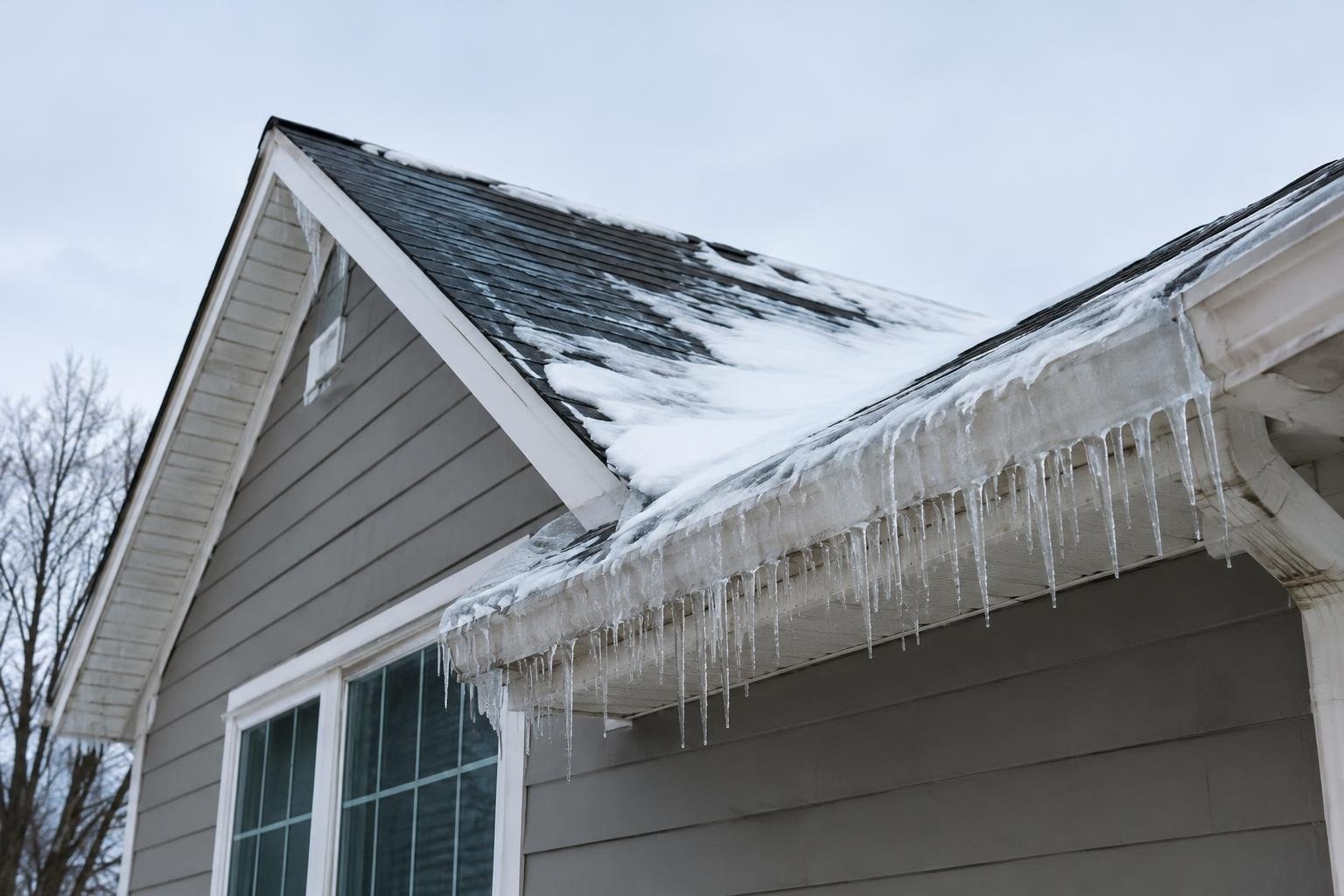
Winter roof problems can be hard to spot because damage may accumulate while the roof still looks normal from the ground. Snow, ice, and temperature swings can put stress on roofing materials. A freeze-thaw cycle may crack shingles, while ice dams can push water beneath the roof surface and affect the roof deck.
That does not mean every snowy day causes damage or that every ice buildup requires the same repair. The useful distinction is between weather exposure and evidence of a problem: a leak, a new water stain, damaged shingles, or recurring ice where water may be getting trapped. If you notice one of these signs, arrange an assessment instead of guessing at the cause.
What a winter roof assessment and repair process involves
Winter roof work generally starts by identifying the symptom and determining what part of the roof system may be involved. When you contact a provider, describe what you have observed, where it appears, and when you first noticed it. For example, distinguish an indoor ceiling stain from visible ice at the roof edge.
Ask what the assessment will cover and how the provider will explain the findings. You should be able to understand which condition was observed, what work is recommended, and whether the proposal is for a focused repair or a broader project. A written scope makes it easier to compare options and confirm that the work addresses the concern you reported.
Do not assume that a visible symptom proves the underlying cause. Water can enter beneath roofing materials around an ice dam, while other forms of winter stress can affect shingles. A professional assessment helps connect the evidence to a proposed response.
Signs your roof may need attention
Consider arranging a professional assessment if you notice:
- A new ceiling or wall water stain, dampness, or an active leak.
- Shingles that appear cracked, curled, or otherwise damaged.
- Ice buildup that recurs in the same area, especially alongside signs of water intrusion.
- Water pooling on a flat or low-slope roof.
These are reasons to investigate, not a diagnosis. Persistent moisture can weaken asphalt shingles, and pooling water on a flat or low-slope roof can contribute to leaks and material degradation. If you can safely observe the roof from the ground, note the location and take a picture from a safe distance. Never climb onto a snowy or icy roof to confirm what you see.
How snow, ice, and temperature swings affect a roof
Ice dams are one winter condition worth understanding. They can form when warmth in the attic melts snow or ice higher on the roof and the water refreezes farther down. The buildup can obstruct water movement, and water may push beneath roofing materials. If you see recurring ice and also find indoor moisture, share both observations with the person assessing the roof.
Other winter stresses include repeated freezing and thawing, which can crack shingles, and heavy snow or ice that contributes to roof strain. New Jersey experiences a mix of snow, sleet, freezing rain, and temperature changes during significant winter weather; local conditions differ across the state.
Do not treat the appearance of an ice dam as proof of a specific defect. Ask the provider to explain what they observed and whether the proposed work addresses the visible damage, the suspected water path, or both.
Cost considerations: compare the scope, not just the total
Repair costs depend on the damage and the work proposed. Request a written estimate for your roof and symptoms rather than relying on a generic figure.
Ask the provider to separate the observed problem from the recommended work. The estimate should identify the work area, describe the proposed repair or replacement, and state what is not included. If the recommendation is broader than the visible concern, ask why. If you receive more than one estimate, compare the work descriptions and exclusions as well as the totals.
For a potential leak or ice-dam problem, ask whether the proposal addresses only the visible damage or also the suspected path by which water is getting beneath the roofing. A clear explanation can help you weigh the repair scope without treating the cheapest bid as automatically equivalent.
Repair, broader work, or further assessment: compare the options
The right response depends on what an assessment finds. A focused repair may be appropriate when the provider identifies a limited area of damage. A broader repair or replacement proposal calls for a clear explanation of why the smaller option would not address the concern. Do not assume that every winter symptom means the whole roof needs replacement.
There is also a difference between responding to visible damage and investigating a recurring condition. For example, an ice dam may be associated with water getting beneath the roof surface. Ask whether the recommendation addresses the damaged material, the water entry, or both, and what evidence supports that scope.
On flat or low-slope roofs, ask the provider to address any pooling you have observed, since water accumulation can contribute to leaks and material degradation. Compare options by the problem they solve, their stated limitations, and the work included in writing.
What to expect: assessment, scheduling, and follow-up
Winter roof project timing depends on the weather, the condition found, and the proposed work. When you call, explain whether water is actively entering, whether you see an interior stain, and whether the concern is visible from the ground. Ask when the provider can assess it and what to do safely in the meantime.
Before work begins, ask what the next steps are after the assessment, when you will receive the written estimate, and how the provider will communicate any change in the recommended scope. If the weather affects scheduling, ask how that changes the plan rather than assuming a particular date or duration.
Keep a record of when the symptom appeared and whether it changes. That information can help the provider understand whether the issue is ongoing or recurring without requiring you to inspect the roof yourself.
How to choose a qualified roofing provider
When comparing providers, look for clear communication and a proposal that matches the concern you reported. Ask the provider to explain the inspection findings in plain language, identify the affected area, and describe why the recommended work is appropriate. Request a written estimate that states the scope and exclusions.
Useful questions include:
- What did you observe, and where?
- How does the proposed work address the leak, damaged shingles, or other reported symptom?
- Is the recommendation a limited repair or broader work, and why?
- What is included, what is excluded, and what could change the estimate?
- What written warranty terms apply, if any?
Compare answers as well as prices. If a recommendation is difficult to understand, ask for clarification before agreeing. Do not rely on a promise of a particular result without a written explanation of the work being offered.
Safety, permits, credentials, and warranties
Roof work can involve hazards, especially when snow or ice makes a roof slippery. Do not climb up to inspect damage, clear an ice dam, or test a suspected leak. Share what you can observe safely and ask the provider how the assessment will be carried out.
Before signing, ask what qualifications or credentials apply to the provider and verify any applicable requirements with the appropriate New Jersey or local authority. Rules can depend on the location and scope of work, so do not assume that a permit is or is not required. Ask who will confirm permit requirements and whether they are included in the proposed work.
If the estimate or contract mentions a warranty, request its terms in writing. Confirm what work and materials it covers, how long it applies, and what conditions or exclusions it lists. Avoid relying on a verbal summary when the written terms are available for review.
Ways to manage costs without taking unsafe shortcuts
Safe cost control starts with understanding the problem, not postponing an assessment or attempting hazardous roof work. Describe the symptoms accurately, provide photos taken from a safe location if helpful, and ask whether the provider can explain more than one appropriate scope of work.
To compare proposals efficiently, give each provider the same information and ask for written estimates that describe the same reported issue. Check what is included and excluded before comparing totals. Ask whether a proposed broader project is necessary to address the identified damage, and request the reasoning in writing.
Do not save money by walking on an icy roof, removing ice yourself, or accepting an unclear repair description. The safer approach is to document what you can see from the ground and let a qualified professional advise you on the next step.
Mistakes to avoid and a practical call checklist
Common mistakes can make a winter roof problem harder to assess or respond to:
- Waiting because the roof looks fine from the street. Winter stress can accumulate without an obvious exterior sign.
- Climbing up to inspect or clear ice. Snow and ice create a serious safety concern. Observe from the ground instead.
- Assuming every symptom has the same cause. A stain, a cracked shingle, and an ice dam are different clues; ask for an assessment.
- Accepting a vague scope. Request a written description of the work and its exclusions.
- Choosing by price alone. Compare whether each proposal addresses the same concern.
Before you call, note where the problem appears, when you noticed it, whether it is recurring, and whether water is actively entering. This short checklist gives the provider useful context without putting you on the roof.
How location and roof type shape the assessment
New Jersey winter conditions are not identical everywhere. Significant winter weather may combine snow, sleet, freezing rain, and temperature swings, while regional differences affect how often severe winter conditions occur. The roof concern is therefore best assessed using the conditions at the property and the evidence found there, rather than a broad assumption about the whole state.
Roof type also matters to the questions you ask. If the roof is flat or low-slope, mention any water pooling; if you see ice buildup, ask whether the provider found signs of water getting beneath the roofing. Neither condition alone proves that a particular repair approach fits every building.
Because local permit requirements and project details can vary, confirm the rules that apply to your location and scope before work begins. Avoid relying on a general online statement as a substitute for a local answer.
Factors that affect the project
The work needed for a winter roof problem depends on what the assessment finds. A leak or water stain, cracked shingles, recurring ice buildup, and pooling water are different clues and may point to different areas for investigation. Ask the provider to identify the observed condition and explain how the proposed work addresses it.
Roof design is another consideration. If the roof is flat or low-slope, mention any pooling you have seen, since standing water can contribute to leaks and material degradation. If you have recurring ice buildup, ask whether the assessment found signs of water getting beneath the roofing materials.
Local winter conditions can also shape what the roof has experienced. New Jersey winter weather may include snow, sleet, freezing rain, and temperature swings, with conditions varying across the state. Share when symptoms appeared and whether they recur, then ask how the findings and proposed scope relate to your roof and the conditions at your property.
Frequently asked questions
Can New Jersey winter weather damage a roof?
Yes. New Jersey winter conditions can put stress on roofs through snowfall, freezing temperatures, ice, and repeated freeze-thaw cycles. Damage may build gradually rather than appearing as an obvious failure. Watch for interior water stains, leaks, damaged shingles, and recurring ice buildup, and arrange a professional assessment when you find a concern.
What is an ice dam, and why can it cause a roof leak?
An ice dam forms when warmth in the attic melts snow or ice higher on the roof and the water refreezes farther down. The resulting ice can contribute to water getting beneath roofing materials. If you see recurring ice buildup or signs of a leak, ask a qualified roofing professional to assess the roof and discuss likely contributing conditions.
What are signs of winter roof damage?
Look for water stains, dampness, or leaks inside, and visible concerns such as cracked or damaged shingles, ice buildup, or water pooling on a flat or low-slope roof. These signs do not identify the full cause on their own. Avoid walking on a roof, especially when it is icy, and request a professional inspection if you notice a problem.
How much does it cost to repair winter roof damage?
There is no single price that applies to every winter roof problem. The cost depends on what an inspection finds and what work is proposed. Request an itemized estimate that identifies the observed issue, the repair or replacement scope, and any alternatives. Compare estimates by scope rather than choosing solely by the lowest total.
Should I remove snow or ice from my roof myself?
Do not climb onto an icy roof or try to remove roof ice yourself. If water is entering the building, protect people and belongings from the affected area when it is safe to do so, then contact a qualified roofing professional. Explain the symptoms and ask what temporary steps, if any, are appropriate while you wait for an assessment.
How do I choose a roofer for winter damage?
Ask the provider to explain the inspection findings, show you the areas of concern, and provide a written scope and estimate. Check that the proposed work addresses the reported problem, ask what is excluded, and request written warranty terms if a warranty is offered. Confirm any local permit requirements with your municipality before work begins.
People Also Ask
What should I tell a roofer about a winter roof problem?
Describe where the concern appears, when you first noticed it, whether it is recurring, and whether water is actively entering. Mention any interior stain and what you can safely see from the ground. Do not climb onto the roof to inspect it.
How do freeze-thaw cycles affect roof shingles?
Repeated freezing and thawing can stress shingles and may contribute to cracking over time. A professional can assess visible damage and advise whether repair is needed.
What should I record when ice buildup keeps recurring?
Note where the ice buildup appears, when you first noticed it, and whether it recurs or changes. If you also find indoor moisture, record that too. Share these observations with the assessor, but do not climb onto the roof to inspect it.
Can winter water pooling damage a flat roof?
Yes. Water pooling is a concern on flat or low-slope roofs because it can contribute to leaks and material degradation. If you notice standing water or signs of moisture inside, ask a roofing professional to assess the roof rather than assuming the cause.
Does an ice dam prove a roof has a defect?
No. An ice dam is not proof of a specific roof defect. If you notice recurring ice buildup, ask a roofing professional what they observed and whether the proposed work addresses visible damage, a suspected water path, or both.
What should I do if my roof is leaking in winter?
Avoid climbing onto an icy roof or attempting risky ice removal. Note where you see a leak, stain, or other concern, and contact a qualified professional for guidance. If water is entering the building, keep people away from the affected area when practical and safe.
New Jersey winter weather can stress a roof gradually through snow, ice, and repeated temperature changes. Look for warning signs inside and outside, but do not climb onto an icy roof to investigate. If you notice a leak, water stain, damaged shingle, or recurring ice buildup, arrange a professional assessment and ask for a clear explanation of the findings and repair options. A timely, well-scoped response can help you address a small concern before it grows into a more disruptive problem.
Your next step
Explore your options and find providers at Estimate.org.
Search Qualified providersWant our help with selecting a provider
Reviewed and maintained by the Staff at Estimate.org.
Last reviewed and updated November 2, 2026 by the Estimate.org Editorial Team.
Sources
- Can You Spot Winter Roof Damage Before It’s Too Late? | T.A. Hughes III Roofing NJ
- Discover How Winter Weather Affects NJ and PA Roofs | Warren
- How Winter Weather Damages Roofs in Englewood, NJ
- Winter Roof Damage in New Jersey: What Homeowners Should Watch For | B.K. Roofing & Remodeling
- Can Snow Damage Your Roof? What New Jersey Homeowners Should Know
- How Weather in New Jersey Impacts Your Roof
- Winter Storm Roof Impact in South Jersey and Gloucester County
- How New Jersey’s Weather Affects Your Roof & How to Protect It | NJ Roofing Contractor
- Fall Home Maintenance Checklist: Prepare Your Home for Colder Weather
